Home Blog

Best MBA Programs Online USA for Career Growth 

College fees rise fast.
Jobs need better skills.
Promotion needs strong education.

That’s why online MBA programs in the USA grow fast.
You can study at home.
You can keep your job.
You can earn while learning.

Many companies also support students financially.
This reduces stress a lot.

This guide explains the Best MBA programs online that USA students choose today.
It also includes Tuition Reimbursement Programs, Employer Tuition Support College Funding Assistance and Student Financial Aid USA options.

Why Online MBA Programs Matter Today

Many programs now include.

  • Live online classes.
  • Recorded lectures.
  • Mobile learning access.
  • Weekend sessions.

This flexibility helps working adults and parents.

What Makes A Good MBA Program

A good MBA program should help with career growth.
Not just give theory.

Students should check.

  • Accreditation.
  • Tuition cost.
  • Career support.
  • Flexible schedule.
  • Alumni network.
  • Job placement help.

Career support matters most.
Because students want better jobs after graduation.

Strong universities also help with networking.
That leads to job opportunities.

Top USA Universities For MBA with the Best Reputation

These universities are highly respected in the USA.
They are known worldwide for business education.

  • Harvard University.
  • Stanford University.
  • University of Pennsylvania Wharton.
  • Massachusetts Institute of Technology Sloan.
  • University of Chicago Booth.

These schools focus on.

  • Leadership skills.
  • Business strategy.
  • Finance knowledge.
  • Global business thinking.

Students from these schools often get top executive jobs.

University of North Carolina MBA

The University of North Carolina at Chapel Hill offers a strong online MBA.

Students learn.

  • Leadership.
  • Finance.
  • Strategy.
  • Business management.

Live sessions help interaction.
Networking is strong here.

Tuition is high.
But career value is also high.

Many graduates report salary growth after completion.

Indiana Kelley Online MBA

The Indiana University Kelley School of Business is a top-ranked MBA program.

It offers flexible learning for working adults.

Main subjects include.

  • Marketing.
  • Finance.
  • Operations.
  • Management.

Students like.

  • Easy platform use.
  • Strong professor support.
  • Career guidance.

It fits professionals who want promotion.

Carnegie Mellon Tepper MBA

Carnegie Mellon University offers a hybrid MBA.

It mixes online study and campus visits.

Focus areas.

  • Data analytics.
  • Business decisions.
  • Technology management.

Workload is heavy.
But value is high in the job market.

This MBA is strong for tech and finance careers.

University of Florida Online MBA

The University of Florida offers an affordable MBA option.

It is popular among budget students.

Subjects include.

  • Marketing.
  • Accounting.
  • Economics.
  • Leadership.

A flexible schedule helps working adults.
You can study part-time or full-time.

Many students also use Tuition Reimbursement Programs here.

How Tuition Reimbursement Programs Help

Tuition Reimbursement Programs help employees pay for education while working.
Many USA companies pay part or full MBA tuition.

This reduces student debt.
It also increases career chances.

Industries offering support.

  • Healthcare.
  • Technology.
  • Banking.
  • Retail.
  • Logistics.

Students should always ask HR before enrolling.

This can save thousands of dollars.

Employer Tuition Support Explained

Employer Tuition Support means the company pays the education cost.

Two main types.

  • Direct payment to the university.
  • Refund after course completion.

Some companies require.

  • Good grades.
  • Approved universities.
  • Work commitment after graduation.

Always check company policy carefully.

It avoids future problems.

Student Financial Aid USA Options

Student Financial Aid USA helps students reduce MBA costs.

It includes.

  • Loans.
  • Grants.
  • Scholarships.
  • Payment plans.

Many universities also support.

  • Veterans.
  • Teachers.
  • Healthcare workers.
  • Low-income students.

Apply early using the FAFSA system.

Late applications reduce chances.

Cheapest Online MBA Programs

Some MBA programs are more affordable.

Good low-cost options.

  • University of Texas Permian Basin.
  • Fort Hays State University.
  • Georgia Southwestern State University.

These schools offer.

  • Lower tuition.
  • Flexible study.
  • Good business courses.

Always check the total cost.
Some fees appear later.

Best MBA Programs For Working Parents

Working parents need flexible study.

Best options include.

  • Arizona State University.
  • Pennsylvania State University.
  • University of Illinois Urbana-Champaign.

These universities offer.

  • Recorded lectures.
  • Weekend classes.
  • Flexible deadlines.

Parents can manage study and family easily.

MBA Specializations With High Salaries

Some MBA fields pay more.

Popular specializations.

  • Finance.
  • Healthcare management.
  • Data analytics.
  • Marketing.
  • Information systems.

Tech and healthcare jobs grow fast in the USA.

These fields offer strong career demand.

How Long Online MBA Take

MBA duration depends on study speed.

  • 18 months fast track.
  • 2 years standard.
  • 3 years flexible.

Full-time students finish faster.
Part-time students balance work easily.

Choose based on lifestyle.

College Funding Assistance Tips

College Funding Assistance comes from many sources.

Helpful options.

  • Scholarships.
  • Employer programs.
  • Alumni grants.
  • Industry funding.

Small funds still reduce cost.

Every dollar matters in education.

Mistakes Students Should Avoid

Avoid these mistakes.

  • Choosing only ranking.
  • Ignoring tuition cost.
  • Overloaded schedule.
  • Skipping accreditation check.

Good planning saves money and stress.

Career Benefits of an MBA

An MBA helps career growth.

Common jobs.

  • Manager.
  • Consultant.
  • Marketing lead.
  • Finance officer.
  • HR manager.

Some students also switch industries.

An MBA opens better career paths.

Final Thoughts

The best MBA programs online in the USA give flexibility and career growth.

Top universities build strong business careers.

Tuition Reimbursement Programs and Employer Tuition Support reduce costs.

Student Financial Aid USA helps manage expenses.

Choose wisely based on goals budget and time.

A good MBA supports long-term success and better job opportunities.

Smart Ways To Get College Tuition Assistance IN THE USA

College costs keep rising.
Many students feel trapped.
Tuition bills arrive fast.

Some students stop studying.
Others take large loans.
That pressure hurts families too.

Still help exists across the USA.
Many programs lower costs.
Some even cover full tuition.

College tuition assistance USA programs support students workers parents and veterans. Federal aid employer plans scholarships and state grants reduce education costs for millions each year. Students who apply early and compare funding options often save thousands before graduation while avoiding heavy loan debt later.

This guide explains real ways
to lower college costs.
It keeps things simple.

Why College Costs Feel Heavy

Tuition isn’t the only expense.
Books cost money too.
Housing increases pressure fast.

Transportation drains budgets.
Food costs keep growing.
Online tools also require payment.

Many students work long hours.
Some barely sleep at night.
That cycle becomes stressful quickly.

A student may start college excited.
Then bills pile up fast.
It feels like carrying bricks uphill.

That’s why funding matters greatly.
The right support changes everything.
Students stay focused on learning.

What College Tuition Assistance Means

College tuition assistance USA programs help students pay for education. Support may come from employers colleges federal programs private groups or state agencies. Some plans cover tuition directly while others refund money after classes finish successfully.

Different programs fit different people.
Workers may use company benefits.
Low-income students may use grants.

Parents also search for aid.
Adult learners need support too.
Every path looks different.

The goal stays simple.
Lower education costs legally.
Reduce future financial pressure.

Federal Financial Aid Helps Millions

Federal aid remains one major source of college support in the USA. Students complete the FAFSA form to qualify for grants loans and work-study programs. Many colleges also use FAFSA results when offering extra school aid packages.

The FAFSA matters greatly.
Late applications lose opportunities.
Early forms improve funding chances.

Federal Pell Grants help students
with lower household income.
These grants don’t need repayment.

That makes grants valuable.
Free aid lowers stress later.
Loans create long-term pressure.

Work-study programs also help.
Students work part-time jobs.
They earn money during school.

Federal loans still exist.
But careful borrowing matters greatly.
Too much debt creates problems.

Tuition Reimbursement Programs Explained

Tuition Reimbursement Programs help employees continue education while working. Companies repay tuition costs after workers complete approved classes successfully. Most employers require passing grades and continued employment for a specific time period afterward.

These programs help adults greatly.
Workers improve skills over time.
Employers keep trained staff longer.

Many large USA companies
offer tuition reimbursement today.
Retail and healthcare firms lead heavily.

Some businesses pay yearly limits.
Others cover full degree costs.
Policies differ between employers.

Workers usually submit:

  • Tuition receipts
  • Course information
  • Final grades
  • School approval forms

Passing grades often matter most.
Failing classes may cancel payments.
Rules should always be checked first.

Education Benefits for Employees Matter

Education Benefits for Employees support career growth inside companies. Workers gain better qualifications while employers build stronger teams internally. This creates long-term value for both sides without requiring expensive outside hiring later.

Some employees study nursing.
Others choose technology fields.
Business degrees remain popular too.

Companies often support skills
connected to workforce shortages.
Healthcare programs receive strong support.

Education benefits also improve morale.
Workers feel valued by employers.
That increases job loyalty later.

A single class today
can raise future income greatly.
Small steps matter over time.

Employer Tuition Support Reduces Debt

Employer Tuition Support lowers personal education costs through company-sponsored learning programs. Some employers partner directly with colleges to provide reduced tuition rates online degree access or career-focused certifications for workers seeking advancement opportunities.

This support helps workers greatly.
Debt pressure becomes smaller.
Career opportunities grow steadily.

Some employers pay upfront.
Others reimburse later instead.
Each policy works differently.

Popular industries offering support include:

  • Retail
  • Healthcare
  • Technology
  • Banking
  • Logistics

Large employers often compete
for skilled long-term workers.
Education support attracts applicants quickly.

Workers should always ask HR.
Many ignore available benefits completely.
That leaves money unused yearly.

Scholarships Help Students Save More

Scholarships lower education costs without creating future repayment pressure. Many awards support academic performance financial need leadership sports community service or specific career interests across thousands of colleges throughout the USA.

Some scholarships seem small.
Still every dollar matters.
Book costs drop quickly.

Other awards cover everything.
Tuition becomes fully paid.
Housing support may appear too.

Students should apply widely.
One application isn’t enough.
Consistency increases success chances.

Good scholarship categories include:

  • Academic scholarships
  • Athletic scholarships
  • Minority scholarships
  • Need-based scholarships
  • Local community scholarships

Local awards receive fewer applications.
That improves winning chances greatly.
Students often ignore them.

Community Colleges Save Thousands

Community colleges offer lower tuition compared to four-year universities. Many students complete basic education requirements there before transferring into larger universities later for bachelor’s degree completion at reduced overall cost.

This path saves major money.
Students avoid huge debt early.
Classes often stay flexible too.

Working adults benefit greatly.
Parents manage schedules easier.
Night classes support busy lifestyles.

Many community colleges provide:

  • Online learning
  • Career certificates
  • Technical programs
  • Transfer agreements

Transfer programs matter greatly.
Students continue education smoothly.
Costs remain much lower overall.

Online Degrees Lower Expenses

Online degree programs reduce transportation housing and campus-related expenses. Many accredited USA colleges now offer remote learning options for students balancing work family duties or financial limitations while continuing higher education goals.

Online learning saves time too.
Travel disappears completely.
Schedules become more flexible.

Still students should stay careful.
Some online schools mislead people.
Accreditation must always be verified.

A trusted degree matters greatly.
Employers check school legitimacy.
Cheap scams waste money quickly.

Students learn best when organized.
Online classes require discipline daily.
Time management becomes important.

State Grants Offer Extra Support

Many USA states provide grant programs for residents attending approved colleges. State aid usually depends on income levels academic performance or enrollment status within local universities and community college systems.

Some grants stay renewable yearly.
Others support first-year students only.
Rules differ by location.

Students should check:

  • State education websites
  • Local college offices
  • Financial aid departments

Missing state deadlines hurts greatly.
Some programs close early yearly.
Fast action improves opportunities.

Military Education Programs Help Families

Military tuition programs support active service members veterans and sometimes family members. The GI Bill remains one strong education funding source for college tuition housing assistance books and career training expenses nationwide.

Military support changes lives.
Many veterans avoid student debt.
Families gain education access too.

Benefits vary by service branch.
Coverage levels differ slightly.
Requirements also change sometimes.

Military students often receive:

  • Tuition coverage
  • Housing allowances
  • Book support
  • Career training help

Education becomes more reachable.
Long-term career growth improves greatly.
Financial pressure becomes smaller.

Smart FAFSA Tips Students Ignore

Many students rush FAFSA forms and create avoidable mistakes. Small errors delay approval times reduce funding opportunities or create verification issues that slow financial aid processing during important enrollment periods.

Always use correct information.
Tax details must match records.
Mistakes create delays quickly.

Students should also:

  • Apply early
  • Save login details
  • Review every answer
  • Check deadlines carefully

Parents sometimes help complete forms.
That reduces confusion greatly.
Organization saves valuable time.

Part-Time Jobs With Tuition Help

Some employers offer tuition help even for part-time workers. Students earn income while receiving education support through company-funded learning programs connected to approved colleges or career development systems.

This surprises many students.
Benefits aren’t always advertised clearly.
Questions help uncover opportunities.

Retail companies often help workers.
Healthcare systems support employees too.
Food chains now offer aid.

Part-time jobs may provide:

  • Tuition discounts
  • Online degree access
  • Book assistance
  • Career certificates

A simple job today
can support future education goals.
That creates long-term value.

Common Tuition Assistance Mistakes

Many students lose funding because they ignore simple requirements. Missing deadlines failing classes incomplete paperwork and poor planning reduce access to grants reimbursement programs and scholarship opportunities yearly.

One missed form hurts greatly.
Late applications lose priority fast.
Organization prevents costly mistakes.

Students also forget rules.
Grade requirements matter heavily.
Employer conditions must be followed.

Another common problem appears
when students borrow too much.
Loans should stay manageable always.

Careful planning protects finances later.
Smart decisions reduce stress greatly.
Preparation matters more than luck.

Online Scholarships For Working Adults USA

Working full-time
And studying later
Feels like carrying
Two backpacks daily.

Tuition bills grow fast.
Time feels short.
That’s why many adults search for help before joining an online degree.

The good news?
Many scholarships support busy adults in the USA.
Some help single parents.
Some help part-time students.
Others support career changers.

This guide shares real options.
Simple steps.
And smart ways to lower college costs.

Why Adults Need Scholarships

Adult learners face
Different problems.
Rent payments.
Family bills.
Long work shifts.

Many adults pause education
For years.
Then return later
To improve income.

Scholarships reduce stress.
They also lower student loans.
That means less pressure
After graduation.

What Makes Online Scholarships Helpful

Flexible scholarships matter
For working adults.
Most online students
Can’t attend daytime classes.

Many programs now support:

  • Part-time students
  • Weekend learners
  • Parents with children
  • Remote degree programs
  • Career switchers

That’s why
Flexible online scholarship programs
Are growing fast
Across the USA.

Best Types Of Scholarships

Different scholarships
Fit different adults.
Picking the right one
Saves time.

Merit Scholarships

These scholarships reward
Strong grades.
Leadership skills help too.
Some need essays.

Need-Based Scholarships

These focus on income.
They help adults
Who struggle financially.

Employer Scholarships

Some companies pay
Part of tuition.
Ask your HR department
Before applying elsewhere.

Career Change Scholarships

Adults changing industries
Can apply here.
Healthcare and tech
Offer many options.

Adult Learner Scholarships USA

Many adults search
For trusted funding options.
Several national programs
Support online education.

Pell Grant

The Federal Student Aid Pell Grant helps low-income students.
It doesn’t require repayment.
Many online colleges accept it.

Scholarships For Working Students

Balancing work and study
Needs flexibility.
Some scholarships understand this
Very well.

Employer Tuition Help

Big companies often help workers study.
Retail and healthcare companies
Offer tuition support yearly.

Part-Time Student Awards

Some scholarships accept
Part-time enrollment.
That helps adults
With busy schedules.

Community Scholarships

Local groups help adults
Return to school.
Banks and nonprofits
Often sponsor them.

Online Degree Funding For Adults

Online degrees cost less
Than campus programs sometimes.
But fees still add up.

Common online costs include:

  • Tuition fees
  • Learning software
  • Internet bills
  • Exam fees
  • Course materials

That’s why
Online degree funding for adults
Matters more than ever.

Many colleges now offer:

  • Monthly payment plans
  • Emergency grants
  • Military support
  • Parent assistance funds

Continuing Education Scholarships USA

Adults often return
To school later.
That’s called continuing education.

Many scholarships support adults
Learning new skills.
Especially in:

  • Nursing
  • Business
  • Technology
  • Teaching
  • Cybersecurity

Continuing education scholarships USA
Help adults avoid large loans.
Many also support certificate programs.

How To Find Legit Scholarships

Scam websites waste time.
Some even steal information.
Stay careful online.

Use trusted sources like:

  • College financial aid offices
  • Government education sites
  • Employer programs
  • Nonprofit organizations

Never pay money
To apply for scholarships.
Real scholarships don’t require
Application fees usually.

Easy Scholarship Application Tips

Small mistakes hurt applications.
A clean process helps more
Than people think.

Use One Master Document

Keep essays
Achievements
Certificates
And resumes together.

This saves hours later.

Apply Early

Many deadlines close fast.
Late applications often fail.

Write Short Essays

Clear stories work best.
Talk about work struggles.
Share future goals.

Ask For Strong References

Managers and teachers
Can write recommendation letters.
Pick people who know
Your work ethic well.

Common Scholarship Mistakes

Adults sometimes quit early
Because applications feel confusing.
But small fixes help.

Avoid these mistakes:

  • Missing deadlines
  • Sending incomplete forms
  • Weak personal essays
  • Ignoring instructions
  • Applying randomly

Treat scholarships
Like job applications.
Stay organized daily.

Best Degrees For Working Adults

Some online degrees
Fit busy schedules better.
They also lead
To stable careers.

Popular choices include:

  • Business administration
  • Healthcare management
  • Information technology
  • Accounting
  • Education
  • Marketing

These programs often offer:

  • Night classes
  • Recorded lectures
  • Flexible exams
  • Faster completion paths

How Employers View Online Degrees

Years ago
People questioned online learning.
That changed quickly.

Today many employers accept
Online degrees from accredited schools.
Skills matter more
Than classroom location.

Choose accredited colleges only.
That protects your degree value.

Can Older Adults Apply

Yes.
Age usually doesn’t matter.
Many scholarships support adults
Above 30 or 40.

Some programs specifically help:

  • Mothers returning to school
  • Veterans
  • Career changers
  • First-generation students

That means
It’s never too late
To restart education.

Smart Ways To Reduce College Costs

Scholarships help most.
But combining methods
Works even better.

Try these ideas:

  • Use employer tuition support
  • Buy used textbooks
  • Study part-time
  • Apply for grants
  • Take transferable credits

Saving small amounts monthly
Feels like plugging leaks
In a water bucket.

Final Thoughts

Going back to school
Feels hard initially.
Work schedules drain energy.
Bills never stop.

Still thousands of adults
Earn online degrees yearly.
Many start with scholarships.

Adult learner scholarships USA
Give working students
A practical path forward.

With careful planning
And steady applications
You can reduce tuition
And study with less stress.

Liberal Arts Education Builds Real Skills

Why Students Choose It

College feels costly.
Many students fear picking the wrong degree.
That’s why liberal arts education still matters in the USA.

It teaches thinking.
It teaches writing.
It teaches problem-solving.

A student learns more than one subject.
That helps in real jobs.
It also helps in daily life.

Some people think it has no value.
That’s not true anymore.
Companies now want flexible workers.

A student with strong communication skills stands out fast.
That’s where liberal arts education helps most.

What Does It Teach?

Liberal arts education teaches writing communication research teamwork and critical thinking. Students study subjects like history psychology literature politics and science. These subjects build flexible skills that fit many careers. Employers often prefer workers who can think clearly and solve problems under pressure.

Students don’t stay locked in one topic.
They study many fields.

That builds mental flexibility.
Think of it like a toolbox.

A mechanic needs many tools.
Students need many skills too.

Courses often include:

  • Writing
  • History
  • Sociology
  • Math
  • Philosophy
  • Political science

These subjects train the mind.
That training lasts years.

Liberal Arts Education

Why Employers Still Want It

Many companies want clear thinkers.
Technical skills alone aren’t enough now.

Managers need people who can:

  • Speak clearly
  • Write reports
  • Solve problems
  • Work with teams
  • Learn fast

That’s why liberal education stays useful.

Tech companies hire these graduates too.
So do healthcare groups.
Marketing firms also hire them.

A business changes fast.
Workers must adapt quickly.

Liberal arts graduates often do well because they learn how to think not just memorize facts.

Many students ask this question.
What jobs can I get

The answer is simple.
There are many paths.

Common careers include:

  • Teacher
  • Writer
  • HR manager
  • Marketing specialist
  • Social worker
  • Journalist
  • Public relations officer

Some graduates later study law.
Others move into business.

A liberal arts degree works like a wide road.
It opens more than one lane.

That helps students who feel unsure early in college.

Why Writing Skills Matter

Writing changes everything.
Bad writing hurts careers fast.

Strong writing builds trust.
It also helps in leadership roles.

Many college graduates struggle here.
Employers notice that quickly.

Liberal education spends heavy time on essays research and communication.

That practice matters later.

Think about emails at work.
Reports matter too.

A worker who explains ideas clearly often moves ahead faster.

Liberal Arts Education
  • Communication
  • Teamwork
  • Leadership
  • Problem-solving

Use USA hiring reports.
Bar charts work best.

Critical Thinking Changes Careers

Facts are everywhere now.
Phones give answers instantly.

The real skill is judgment.
People must know what’s true.

Critical thinking helps students:

  • Analyze claims
  • Spot weak ideas
  • Compare facts
  • Make smart choices

This skill matters in every industry.

A company problem rarely has one answer.
Managers need workers who think calmly.

Liberal arts education trains students for that pressure.

Does It Help With High Salaries?

Some people say these degrees pay less.
That’s partly true at first.

Early salaries may start lower than engineering jobs.
But long-term growth often improves.

Many liberal arts graduates later move into management.

Leadership needs communication.
It also needs decision-making.

Those skills grow over time.

According to labor studies in the USA, workers with strong communication and analytical skills often see steady career growth over many years.

Liberal Arts Education

Best Colleges In The USA

Several American colleges focus heavily on arts education.

Popular examples include:

  • Williams College
  • Amherst College
  • Swarthmore College
  • Pomona College

These schools focus on smaller classes.
Students often get direct teacher support.

Discussion-based learning is common there.

Online Learning Changed Everything

Online classes opened new doors.
Students can now study from home.

Many universities offer online liberal education programs today.

That helps:

  • Working adults
  • Parents
  • Remote students
  • Budget-focused learners

Flexible schedules matter now more than ever.

Students also save travel costs.
That reduces stress.

Common Myths About Liberal Arts Degrees

Some myths never die.
Let’s clear them up.

There Are No Jobs

That’s false.
Many industries hire these graduates.

The degree teaches transferable skills.
Those skills fit many workplaces.

It’s Too Broad

Broad knowledge helps today.
Jobs change quickly now.

Workers often switch careers multiple times.
Flexible skills help during those changes.

Only Rich Students Study It

That’s outdated thinking.
Public colleges offer affordable options too.

Scholarships also help many students.

How Students Can Succeed Faster

Students should mix classroom learning with real experience.

Good options include:

  • Internships
  • Campus clubs
  • Writing projects
  • Volunteer work

Experience builds confidence.

Networking matters too.
A strong connection can open career doors later.

Think of college like planting seeds.
The hard work grows slowly over time.

Best Double Majors

Some students combine liberal arts education with practical fields.

Popular pairings include:

  • Psychology + Marketing
  • English + Business
  • Political Science + Law
  • Sociology + Data Analysis

This mix helps students stand out.

Employers like workers with both technical and communication skills.

Why Students Stay Interested

Good content keeps readers on a page.
The same happens in classrooms.

Liberal arts courses often use:

  • Debates
  • Discussions
  • Real stories
  • Human behavior topics

That keeps learning active.

Students connect emotionally with ideas.
That improves memory too.

A boring lecture fades fast.
A strong story sticks forever.

Final Thoughts

College isn’t only about one job.
It’s about building lifelong skills.

Liberal arts education teaches communication reasoning adaptability and leadership.

Those skills still matter deeply in America today.

A career may change many times.
Strong thinking stays useful everywhere.

That’s why this degree still holds value.

Higher Education Jobs That Pay Well

College jobs can change lives.
A good role brings steady pay.
It also brings respect.
Many people search for stable careers in education.
That’s why higher education jobs keep growing in the USA.

Some jobs need years of study.
Some need short training only.
Both paths can lead to strong income.

This guide shows real options.
You’ll learn salaries.
Skills matter too.
You’ll also see how to apply faster.

Why College Careers Matter

A college career feels steady.
Many jobs stay open yearly.
Schools always need workers.
That means more chances for you.

People also like the schedule.
Many roles offer paid holidays.
Health plans help too.
Retirement benefits attract workers.

Higher education jobs also give purpose.
You help students grow.
You help families succeed.
That feeling matters daily.

Best Paying Education Roles

Some jobs pay very high.
Others start small.
Your degree affects income.

College presidents earn top salaries.
Professors can earn well too.
IT managers also make strong pay.

Financial aid officers matter greatly.
Academic advisors guide students.
Admissions teams handle applications.

College Professor Career Path

Professors teach students daily.
They also grade work.
Some do research too.

Most professors need master’s degrees.
Many universities ask for PhDs.
Public speaking skills help greatly.

A professor can teach online.
Hybrid classes are common now.
That creates flexible work options.

Average salaries vary widely.
Community colleges pay less.
Private universities may pay more.

Academic Advisor Job Duties

Academic advisors guide students carefully.
They explain class choices.
They help students graduate faster.

This role fits good listeners.
Patience matters every day.
Communication skills matter too.

Many advisors hold bachelor’s degrees.
Counseling backgrounds help applicants.
Some schools train new workers.

Students often feel stressed.
Advisors calm confusion quickly.
That support builds trust.

Financial Aid Office Careers

Money questions scare students.
Financial aid workers solve problems.
They explain grants and loans.

These workers handle paperwork daily.
Attention matters strongly here.
Small mistakes cause delays.

Many offices train beginners.
Computer skills help greatly.
Customer service matters too.

Financial aid offices stay busy.
Application seasons bring pressure.
Good workers become valuable fast.

College IT Jobs Growing Fast

Schools depend on technology now.
Systems must work smoothly.
Students expect fast access.

IT departments hire often.
Cybersecurity jobs keep growing.
Network managers earn strong salaries.

Many workers start with certificates.
Degrees help later growth.
Problem-solving skills matter most.

Remote work also appears here.
Some colleges allow hybrid schedules.
That attracts young workers.

Online Teaching Is Rising

Online learning changed education.
Many colleges teach remotely now.
That trend keeps growing.

Teachers record video lessons.
Students attend virtual classes.
Assignments move online too.

Good internet matters greatly.
Camera confidence helps teachers.
Clear speaking builds better classes.

Online teaching helps parents.
It helps working adults too.
Flexible learning attracts students.

Skills Colleges Want Most

Communication always matters first.
Schools value teamwork greatly.
Professional behavior matters daily.

Computer skills help everywhere.
Microsoft Office still matters.
Data systems matter too.

Time management helps workers.
Deadlines come quickly sometimes.
Organization reduces stress greatly.

Leadership helps career growth.
Managers notice dependable workers.
Good attitudes open doors.

Degrees That Open Doors

Education degrees help greatly.
Business degrees work too.
Technology degrees stay useful.

Psychology helps advising jobs.
Accounting helps finance offices.
Marketing helps admissions teams.

Some roles need certifications.
Others train workers internally.
Always read job descriptions carefully.

Higher education jobs often value experience.
Internships help students early.
Volunteer work also matters.

How To Find Open Positions

Many colleges post online.
Career pages update weekly.
Check them often.

LinkedIn helps job seekers.
Indeed lists college openings.
University websites work best.

Networking helps many people.
Talk with former classmates.
Attend education career fairs.

Your resume should stay simple.
Show results clearly.
Avoid long paragraphs.

Resume Tips That Work

Hiring teams scan quickly.
Clear resumes win attention.
Simple layouts work best.

Use action words often.
Show measurable results.
Keep sections easy.

Add teaching experience clearly.
Mention leadership projects too.
Volunteer work adds value.

Proofread every sentence carefully.
Small errors look careless.
Clean writing builds trust.

Interview Questions You May Hear

Interviewers test communication first.
They study confidence closely.
Preparation reduces fear greatly.

You may hear this:
How do you solve problems?
Practice short answers beforehand.

Another common question appears:
Why education work?
Give honest examples.

Research the school first.
Know their mission clearly.
That impresses hiring managers.

Remote Education Jobs Available

Many education roles moved online.
Remote support jobs increased.
Digital learning changed hiring.

Academic coaches work remotely.
Online tutors help students.
Virtual advisors guide applicants.

Remote jobs save travel time.
Parents like flexibility greatly.
Workers gain home comfort.

Still self-discipline matters greatly.
Distractions hurt productivity fast.
Strong routines improve focus.

Common Mistakes Job Seekers Make

Many people apply blindly.
That wastes time quickly.
Target jobs carefully instead.

Some resumes look messy.
Long blocks lose readers.
Short lines work better.

Others ignore networking chances.
Personal connections help greatly.
Referrals speed hiring often.

Late applications hurt chances.
Openings close quickly sometimes.
Apply early whenever possible.

Salary Facts You Should Know

Pay depends on location.
Experience matters strongly too.
Degree levels affect income.

Large cities pay higher.
Private schools often pay more.
Senior workers earn strongest salaries.

Entry-level workers start lower.
Growth comes with experience.
Patience matters greatly here.

Example data ideas:

  • Academic advisor salaries
  • IT department salaries
  • Online instructor pay
  • Financial aid officer income

Use trusted sources like:

  • Bureau of Labor Statistics
  • National Center for Education Statistics
  • College career pages

How Students Start Early

Students can prepare early.
Campus jobs help greatly.
Internships build experience fast.

Volunteer inside departments.
Join student organizations.
Leadership skills grow naturally.

Career centers help students.
Resume workshops matter greatly.
Mock interviews build confidence.

Part-time office jobs help.
Many colleges hire students.
That creates future opportunities.

Work-Life Balance In Education

Many workers like stability.
Holiday breaks help families.
Schedules feel predictable often.

Stress still exists sometimes.
Enrollment seasons become busy.
Deadlines create pressure too.

Still many workers stay long-term.
Benefits keep employees loyal.
Purpose keeps motivation strong.

Higher education jobs attract people who want stable work and meaningful careers. Colleges need teachers advisors IT workers office staff and online instructors every year. Many positions offer solid pay steady schedules and long-term growth making education careers a smart option for people seeking stable income in the USA.

Final Thoughts On Education Careers

College careers offer stability.
They also offer growth.
Many paths fit different skills.

Start with one application.
Build experience slowly.
Skills improve with time.

The education field keeps growing.
New workers stay needed.
That creates long-term opportunities.

Higher education jobs can fit many lifestyles.
Some roles stay remote.
Others keep campus energy alive.

Educators Handbook That Helps Teachers Win 

Teaching feels hard some days.
Lesson plans stack up fast.
Students lose focus quickly.

That’s why many teachers now use an educators handbook.
It saves time.
It clears confusion.
It helps classrooms run better.

A good educators handbook works like a road map.
It keeps goals clear.
It keeps teaching simple.
It gives support when stress hits hard.

Why Teachers Need Clear Systems

Teachers face pressure daily.
Parents expect results.
Schools track progress closely.
Students need attention every hour.

Without a plan things fall apart quickly.
A handbook creates structure.
It keeps routines steady.
It cuts classroom chaos.

Think of it like traffic lights.
Without signals roads become messy.
With clear signals traffic flows smoothly.
Classrooms work the same way.

Data can help here.
Add teacher burnout statistics.
Use school survey reports.
Show how planning lowers stress.

Example data sources:

  • National Education Association
  • UNESCO education reports
  • U.S. school performance studies

What Makes A Good Handbook?

A useful handbook stays simple.
Nobody wants long lectures.
Teachers need quick answers fast.

A strong educators handbook includes:

  • Classroom rules
  • Lesson planning tips
  • Student behavior methods
  • Parent communication ideas
  • Time management steps

Short sections work best.
Clear headings matter more.
Fast reading saves energy.

Imagine searching during class pressure.
Long paragraphs waste time.
Simple layouts help faster.

Classroom Rules That Actually Work

Students need clear limits.
Confusion creates problems quickly.
Rules keep classrooms calm.

Good rules stay short.
Use simple wording always.
Avoid long explanations.

Examples include:

  • Raise your hand
  • Respect classmates
  • Finish tasks on time
  • Keep phones away

Consistency matters most.
If rules change daily students stop caring.
Mixed signals hurt discipline badly.

A teacher once said
Students test weak rules first.
That line sticks forever.

Data idea here:
Show student behavior improvement rates.
Compare classrooms with structured systems.

Lesson Planning Without Stress

Planning eats teacher time fast.
Many teachers stay awake late nights.
That cycle drains energy.

Simple planning works better.
Focus on one clear goal daily.
Don’t overload lessons.

Break lessons into parts:

  • Warm-up
  • Main topic
  • Activity
  • Quick review

That format keeps students focused.
It also helps pacing.
Classes feel smoother overall.

Picture lesson planning like cooking dinner.
Too many ingredients spoil the meal.
Simple recipes usually win.

Student Attention Is Short

Students lose focus quickly today.
Phones changed attention spans badly.
Teachers notice this daily.

Long lectures fail often.
Short activities hold attention longer.
Movement helps learning stick.

Try methods like:

  • Quick quizzes
  • Group tasks
  • Mini debates
  • Short videos

Mixing activities keeps energy alive.
It stops boredom from spreading.
Classrooms stay active longer.

Data idea:
Include research about student attention spans.
Use classroom engagement statistics.

Parent Communication Builds Trust

Parents want updates regularly.
Silence creates worry fast.
Communication builds confidence.

Keep messages short.
Avoid school jargon completely.
Write like a real person.

Good updates include:

  • Homework reminders
  • Behavior notes
  • Progress reports
  • Upcoming events

One helpful message can prevent big problems later.
Small updates matter more than long speeches.

A parent once compared teachers to coaches.
Families want guidance, not confusion.
That comparison fits perfectly.

Time Management Saves Teachers

Time disappears quickly in schools.
One interruption changes everything.
Many teachers feel overloaded daily.

A schedule fixes many problems.
Block tasks into small chunks.
Avoid multitasking during class hours.

Helpful habits include:

  • Plan tomorrow today
  • Grade in batches
  • Use timers often
  • Limit phone distractions

Think of time like money.
Small waste grows huge later.
Minutes matter more than people think.

Statistics work well here.
Show average teacher workload hours.
Compare organized versus unorganized planning habits.

Technology Helps When Used Right

Technology supports teaching well.
But too many tools confuse teachers.
Simple tools work best.

Useful classroom tools include:

  • Google Classroom
  • Quiz platforms
  • Digital whiteboards
  • Attendance apps

Pick tools carefully.
One good tool beats five weak ones.
Keep systems easy for students too.

Technology should support teaching.
It shouldn’t control everything.
Balance matters daily.

New Teachers Need Support Fast

First-year teachers struggle often.
Many feel nervous constantly.
That pressure feels heavy.

A guide helps confidence grow faster.
Clear systems remove guessing.
Support lowers stress quickly.

New teachers should focus on:

  • Classroom control
  • Student respect
  • Planning routines
  • Clear communication

Nobody becomes great overnight.
Teaching improves step by step.
Practice builds confidence slowly.

A classroom feels like driving sometimes.
At first everything feels scary.
Later actions become natural.

Teacher Burnout Is Real

Burnout hits teachers hard today.
Long hours drain motivation fast.
Stress builds quietly over time.

Warning signs include:

  • Constant exhaustion
  • Low patience
  • Poor sleep
  • Loss of motivation

Teachers need recovery time too.
Rest improves classroom performance greatly.
Nobody teaches well while exhausted.

Simple habits help:

  • Sleep properly
  • Walk daily
  • Set work limits
  • Take short breaks

Small Wins Matter Most

Teachers sometimes chase perfection.
That pressure causes frustration.
Small progress matters more.

One focused lesson helps.
One student improvement counts.
One calm class feels huge.

Teaching works like planting seeds.
Growth takes time daily.
Results appear slowly later.

Celebrate small victories often.
They keep motivation alive.
They remind teachers why teaching matters.

How An Educators Handbook Improves Schools

Schools need consistency badly.
Different systems confuse students.
Clear standards help everyone.

An educators handbook creates unity.
Teachers follow shared methods.
Students know expectations clearly.

Strong school systems improve:

  • Student behavior
  • Teacher confidence
  • Parent trust
  • Classroom organization

Schools run smoother with structure.
Without systems confusion spreads fast.

That’s why many schools now update their educators handbook yearly.
Education keeps changing constantly.
Teachers need current support tools.

Final Thoughts For Teachers

Teaching shapes future lives.
That responsibility feels huge sometimes.
But simple systems help greatly.

A strong educators handbook saves time.
It supports classroom control.
It helps teachers stay organized.

Most importantly, it helps students learn better.
And that’s the goal every teacher wants.

Returning Education to the States Tour Plan

You want clear facts fast.
This guide gives you that.
It keeps things simple.
It speaks to you directly.

You’re tracking the returning education to the states tour.
You want the full picture.
You want real value.
Let’s get into it.

Why this tour matters

Local control grows.
States gain power.
Schools adjust fast.

The returning education to the states tour focuses on local choice.
It brings talks meetings and policy talks.
You see real plans not theory.

This topic links with:
Education reform tour
State education programs
Returning education initiatives

What the tour includes

Town hall talks
Policy meetings
School visits

You’ll see leaders speak.
You’ll hear teacher views.
You’ll get parent voices.

Events often include:
Q&A sessions
Panel talks
Local case studies

Returning education to the states tour schedule

Stops vary.
Dates shift often.
Cities rotate yearly.

The returning education to the states tour schedule usually covers:
Texas stops
Florida visits
Midwest rounds
East coast talks

Check updates weekly.
Schedules change fast.
Always confirm dates.

How states shape education

States set rules.
States fund schools.
States test students.

Local control means faster change.
Each state picks its path.
That leads to mixed results.

Some states push tech.
Some focus basics.
Some test new models.

Key goals of the tour

Fix learning gaps
Support teachers
Improve funding use

The tour pushes clear goals.
It links policy to action.
It shows what works.

You’ll notice focus on:
Student results
Budget use
Teacher training

Who attends these events

Teachers attend
Parents join
Leaders speak

You’ll meet:
School heads
Policy makers
Community groups

Each group shares views.
That gives a full view.
You hear real concerns.

Education reform tour impact

Policy ideas spread
States copy success
Failures get fixed

The Education reform tour shapes debate.
It builds pressure for change.
It highlights working systems.

You’ll see examples:
Reading gains
Math score rise
Dropout cuts

State education programs explained

Programs differ
Funding varies
Results change

State education programs focus on local needs.
Some push STEM learning.
Others support early reading.

Examples include:
Teacher bonus plans
School choice models
Curriculum changes

Returning education initiatives on display

Pilot projects run
New rules tested
Results tracked

Returning education initiatives show real action.
They move beyond talk.
They test ideas live.

You’ll see:
Charter expansions
Funding shifts
Testing reforms

National education tour connection

Ideas travel
States learn fast
Models spread

The National education tour connects states.
It shares results quickly.
It builds shared goals.

You’ll notice patterns:
Similar reforms
Shared problems
Joint solutions

Educational policy events insights

Clear data shown
Real cases shared
Open debate happens

Educational policy events give strong insight.
They show facts, not claims.
They let voices clash.

Expect:
Budget charts
Test score graphs
Policy drafts

What you should look for

Follow data
Check results
Watch trends

Focus on outcomes.
Ignore noise.
Look at numbers.

Ask simple questions:
Does it work?
Who benefits?
What changed?

Where to include data

Add state stats
Use score trends
Show funding numbers

Example data points:
NAEP scores
Graduation rates
Per student spending

Use tables or charts.
Keep labels clear.
Avoid clutter.

Common challenges discussed

Funding gaps grow
Teacher shortages rise
Policy clashes happen

States face limits.
Budgets stay tight.
Results take time.

You’ll hear debates on:
Testing pressure
Curriculum control
School choice

Benefits for you as a reader

You get clarity
You save time
You see facts

This topic helps you track change.
It shows real impact.
It keeps you informed.

You’ll understand:
Policy direction
School outcomes
Future trends

Tips to follow updates

Check weekly
Use official sites
Follow news feeds

Set alerts for:
Tour updates
Policy news
State reports

Stay consistent.
Small updates matter.

Final thoughts

You now see the picture.
The topic stays active.
Changes keep coming.

The returning education to the states tour gives you insight.
It shows how states act.
It reveals real outcomes.

Stay focused on facts.
Track the schedule.
Watch the results.

General Education Officer Guide

You want clarity fast.
You want real answers.
I’ll keep it simple.

This guide helps you understand the role, tasks, and path.
It speaks to you directly.
No confusion. Only clear steps.

What does this role mean

This role supports schools.
It checks standards.
It guides teachers.

It works in public education.
It links schools and policy.
It ensures that the rules are followed.

You act as a bridge.
Between the system and the school.
That’s the core.

Why this role matters

Schools need direction.
Policies need action.
Students need quality.

This role keeps the balance.
It checks gaps early.
It fixes issues fast.

Without this role
Systems fail slowly.
Standards drop quickly.

Key daily duties

Visit schools often.
Check teacher records.
Review attendance logs.

Observe classrooms live.
Note teaching methods.
Check student response.

Write short reports.
Send to a higher office.
Follow up later.

Skills you must have

Clear communication matters.
You speak with teachers.
You guide with respect.

Strong observation skills.
You notice small gaps.
You act early.

Time control is key.
Many schools daily.
You manage routes.

Education requirements

Bachelor’s degree required.
The education field is preferred.
Sometimes the master helps.

Teaching experience helps.
It builds real insight.
Gives field knowledge.

Basic computer skills needed.
Reports and records.
Digital systems common.

Career growth path

Start as an officer.
Gain field experience.
Build a strong record.

Move to a senior role.
Handle more regions.
Lead bigger teams.

Policy roles come later.
Work at a higher level.
Shape plans.

Work environment

Mostly field work.
Travel between schools.
Daily movement required.

Office work also.
Reports and meetings.
Planning sessions.

The weather affects routine.
Road conditions matter.
Flexibility helps daily.

Challenges you face

Limited resources exist.
Some schools lack the basics.
You adjust plans.

Resistance may come.
Teachers feel pressure.
You stay calm.

Time pressure daily.
Many tasks together.
You stay focused.

Salary and benefits

Salary depends on the region.
The public sector varies.
Experience increases pay.

Allowances may include
travel cost support
and housing help.

Job security strong.
Government roles stable.
Long-term benefits exist.

How to prepare fast

Start with the basics.
Read the education policy.
Know the rules clearly.

Practice observation skills.
Visit local schools.
Watch teaching styles.

Work on communication.
Speak clearly and calmly.
Give short feedback.

Interview preparation tips

Expect scenario questions.
Real school situations.
You give solutions.

Know your role clearly.
Explain duties simply.
Stay confident.

Dress clean and formal.
First impression counts.
Keep answers short.

Tools you will use

Reports templates daily.
Digital record systems.
Basic office software.

Mobile apps sometimes.
For attendance tracking.
Quick updates sent.

Notebook always helpful.
Write quick notes.
Track observations.

Impact on students

Better teachers guide better.
Students learn more.
Results improve slowly.

Clean systems help learning.
Less confusion in school.
A clear structure exists.

Your work unseen.
But the impact stays long.
The future improves quietly.

Data you should track

Attendance rates matter.
Shows school discipline.
Track monthly trends.

Student results important.
Compare past scores.
Find weak areas.

Teacher performance notes.
Classroom behavior records.
Lesson delivery quality.

Real-life example

A school had low results.
Attendance was weak.
Teachers felt stressed.

The officer visited weekly.
Fixed schedule gaps.
Guided teachers slowly.

Within months
The results improved.
Attendance rose.

Simple actions worked.
Consistency mattered.
Follow-up key.

Tips to stay effective

Keep notes daily.
Small details matter.
Review weekly.

Build relationships.
Respect teachers.
Listen before advising.

Stay neutral always.
Avoid bias.
Focus on facts.

Mistakes to avoid

Don’t rush visits.
Observe properly.
Take clear notes.

Avoid harsh tone.
Guidance works better.
Respect earns trust.

Don’t ignore follow-up.
Check progress again.
Close every loop.

Future demand in the USA

Education always needed.
The public system is large.
Roles stay active.

Policy changes continue.
Need skilled officers.
Demand remains steady.

Local districts often hire.
Check official portals.
Stay updated regularly.

Where to apply

State education departments.
Local school districts.
Public service boards.

Online job portals help.
Filter by location.
Check requirements.

Official websites best source.
Accurate updates there.
Apply on time.

Final thought

This role builds systems.
It shapes education quietly.
It needs patience daily.

If you like structure
and real impact
This path fits well.

You now understand the role.
You know the path.
Take the next step.

Education Industry Stocks A Simple Guide for Smart Investing

Start With a Clear Goal

You want to grow money.
You also care about education.

That’s a strong mix.
It can work if you stay smart.

Education never stops.
People learn at every stage of life.

That’s why the education sector keeps moving.
Investors see it as a long-term opportunity.

This guide keeps things simple.
No hard words. No confusion.

What Are Education Industry Stocks?

Education industry stocks are shares of companies that provide learning services digital education platforms or academic tools. These companies earn money through courses training programs and school systems. Investors buy shares to earn profit when the company grows or pays returns.

Think of it like owning a small part of a learning company.
You don’t teach.
You just invest.

These companies may include:

  • Online learning platforms
  • Edtech companies
  • Educational services providers
  • Training institutes

Why the Education Sector Keeps Growing

Learning is a basic need.
It never goes away.

Parents spend on schools.
Students pay for courses.

Workers learn new skills.
This is called skill development.

That’s why the education market growth stays strong.

Now add technology.
Growth becomes faster.

Rise of Online Learning Platforms

Online learning changed everything.
Students now study from home.

They use apps and websites.
They learn anytime.

This created demand for:

  • E-learning platforms
  • Virtual classrooms
  • Digital courses

These are part of the edtech industry.

More users join daily.
That means more income.

Types of Education Companies You Can Invest In

Not all companies work the same.
Each has its own model.

Online Learning Companies

They sell courses online.
Users pay subscription fees.

These are known as online education stocks.

Test Preparation Services

Students prepare for exams.
Companies earn from coaching fees.

Educational Content Providers

They sell books and digital content.
Schools and students buy them.

Learning Management Systems (LMS)

These are tools for schools.
They manage classes and data.

Part of the growing education technology sector.

How Education Companies Make Money

Money comes from learners.

Main sources include:

  • Course fees
  • Monthly subscriptions
  • Certification programs
  • School partnerships

This is called a revenue model.

More students = more income.

Simple math.

What Makes a Good Education Stock?

Not every stock is a good choice.
You must check the basics.

Revenue Growth

Income should increase yearly.
This shows strong demand.

User Growth

More users mean a better future.

Profitability

The company should earn a profit.

Market Position

Strong brands perform better.

Digital Presence

Companies in digital learning grow faster.

Risks in Education Stocks

Every investment has risk.
You must understand it.

High Competition

Many new edtech startups appear.

Policy Changes

Government rules can impact business.

Technology Issues

If apps fail, users leave.

Market Volatility

Stock prices change daily.

Think before you invest.

How to Start Investing

You don’t need a lot of money.
Start small.

Open a Brokerage Account

Choose a trusted platform.

Research Stocks

Check company performance.

Invest Slowly

Don’t rush.

Track Growth

Keep checking updates.

Smart Investment Strategy

Keep it simple.

Think Long Term

Education grows slowly but steadily.

Diversify Portfolio

Invest in different sectors.

Watch the US stock market trends.

Stay Updated

Read news about companies.

Real-Life Example

A student buys an online course.
He pays monthly.

That money goes to the company.

Now imagine millions of users.

That’s how education companies’ revenue grows.

And that’s how investors earn.

Common Mistakes to Avoid

Beginners often make errors.

No Research

Never invest blindly.

Quick Profit Thinking

Stocks need time.

Following Hype

Don’t follow trends without logic.

No Risk Plan

Always think about loss.

Education Industry Stocks in the USA

The US market is very large.
Many top companies operate there.

They offer global services.
They lead in education technology stocks in the USA.

Investors worldwide watch them.

If your blog targets the USA.
This topic fits perfectly.

Future of the Education Sector

Things are changing fast.

Mobile Learning

Students prefer phones now.

Skill-Based Learning

Short courses are popular.

Remote Education

Learning from home is common.

AI in Education

Smart tools help students learn faster.

These trends shape the future.

Data You Can Add to Improve SEO

Use real numbers.
They build trust.

You can include:

  • Global e-learning market size
  • Growth rate of edtech companies
  • Number of online learners

Example:
The e-learning market may reach billions soon.

This improves credibility.

Who Should Invest:

Not everyone should invest here.
But some people benefit more.

Students

They understand learning trends.

Long-Term Investors

They can wait for growth.

Tech Users

They understand digital platforms.

How to Pick the Right Stock

Ask simple questions:

  • Is the company growing?
  • Does it have many users?
  • Is it profitable?
  • Is it part of edtech growth?

If yes
It may be worth checking.

Why Patience Matters

Stocks take time.
There’s no shortcut.

Think of it like farming.
You plant today.

You wait for the harvest.

Same with investing.

Final Thoughts

Start small.
Stay consistent.

Learn before investing.

Education companies have a strong demand.
They grow over time.

If you stay patient,
This sector can reward you.

Study in the USA A Simple Guide for Beginners

Starting study in the USA feels confusing at first. Many students don’t know where to begin or what steps to follow. This guide explains everything in very simple English so even a young student can understand it easily.

You will learn each step one by one No hard words No confusion Just a clear path.

Why Students Choose the USA for Study

The USA is one of the most popular study destinations in the world. Students choose it because of better education global recognition and strong job opportunities after graduation.

Degrees from USA universities are accepted in many countries. Students also get access to modern labs experienced teachers and flexible courses.

Many students also like the cultural mix. You meet people from different countries which helps improve communication skills and confidence.

Who Can Apply for Study in the USA

Anyone who has completed intermediate or bachelor-level education can apply for USA studies.

You don’t need to be perfect. You just need basic academic records and English understanding.

Students from Pakistan India Bangladesh and many other countries apply every year. There is no limit if you meet the basic requirements.

Choosing the Right Course for Your Future

Choosing the right course is the first important step. This decision affects your future career.

Popular study fields include business computer science engineering healthcare and arts.

Pick a subject that matches your interest. Don’t choose just because others are choosing it. Think about your long-term goals.

A good course helps you get better job opportunities in the future.

Selecting the Best University in the USA

There are many universities in the USA so choosing the right one is important.

Check these things before applying:

  • Tuition fees
  • Location of the university
  • Available courses
  • Admission requirements

Some universities are expensive while others are more affordable. Always compare before applying.

Understanding Admission Requirements

Every university has different requirements but some common things are:

  • Academic transcripts
  • Passport copy
  • English test score (IELTS or TOEFL)
  • Application form

Some universities also accept the Duolingo English Test. Always check the official website before applying.

Make sure your documents are clear and correct. Small mistakes can cause delays.

Preparing Strong Application Documents

Your application documents are very important.

One key document is the Statement of Purpose (SOP). This is where you explain why you want to study in the USA.

Keep your SOP simple Don’t use difficult words Just explain your goal clearly.

You may also need recommendation letters from teachers or professors.

Step-by-Step Application Process

Apply carefully Don’t rush.

Steps include:

  1. Choose university
  2. Fill online form
  3. Upload documents
  4. Pay the application fee
  5. Submit application

After submission wait for a response. It may take a few weeks.

Apply to more than one university to increase your chances.

Getting an Admission Offer Letter

If your application is accepted you will receive an offer letter.

This letter confirms that the university has accepted you.

Read it carefully. Check:

  • Course details
  • Fees
  • Start date

This is an important step in your study journey.

Applying for a Student Visa (F-1 Visa)

After receiving admission you must apply for a student visa.

The USA student visa is called the F-1 visa.

You need:

  • I-20 form from the university
  • Visa application fee
  • Interview appointment

The visa interview is very important Stay confident and honest.

Preparing for Visa Interview Questions

A visa interview is simple if you prepare well.

Common questions include:

  • Why do you want to study in the USA
  • Which course did you choose?
  • Who will pay your expenses?

Answer clearly and honestly Don’t memorize fake answers.

Confidence matters more than perfect English.

Financial Requirements and Study Costs

Studying in the USA is not cheap so financial planning is important.

Costs include:

  • Tuition fees
  • Living expenses
  • Health insurance

Average yearly cost can vary from $18,000 to $50,000 depending on university and location.

You must show proof of funds during the visa process.

Finding Scholarships in the USA

Scholarships help reduce study costs.

You can find scholarships through:

  • University websites
  • Government programs
  • Private organizations

Some scholarships are based on merit. Others depend on financial need.

Apply early because competition is high.

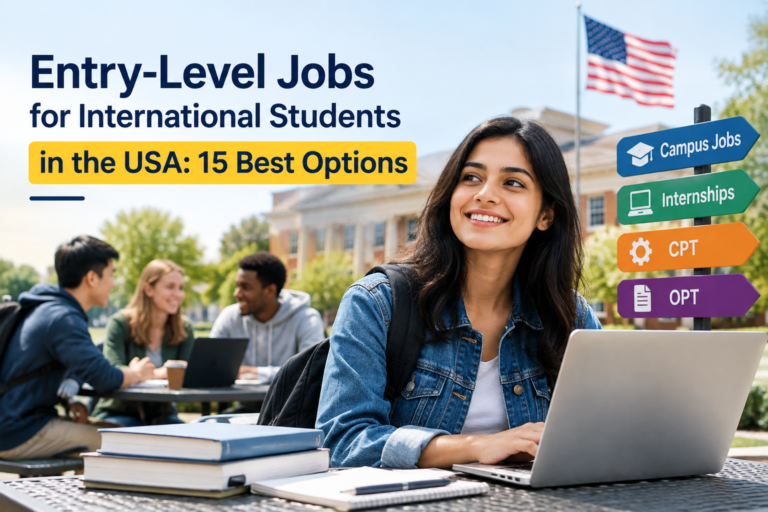
Part-Time Jobs for Students in the USA

International students can work part-time in the USA.

Allowed working hours are usually 20 hours per week during study.

Common jobs include:

  • Library assistant
  • Campus jobs
  • Cafeteria work

This helps manage daily expenses.

Living Experience in the USA

Life in the USA is different but easy to adjust.

You learn independence time management and responsibility.

Students often feel homesick at first. But after some time things become normal.

Meeting new people helps you adjust faster.

Common Problems Students Face

Many students face problems like confusion money issues and visa fears.

Confusion happens due to too much information online. Always follow trusted sources.

Money issues can be solved with scholarships or part-time jobs.

Visa fear reduces when you prepare properly.

Mistakes to Avoid During Application

Avoid these mistakes:

  • Late application
  • Wrong documents
  • Fake SOP
  • Ignoring requirements

Small mistakes can delay your admission.

Always double-check everything before submission.

Tips for a Strong Application

Follow these simple tips:

  • Start early
  • Keep documents ready
  • Write an honest SOP
  • Apply to multiple universities

These small steps improve your chances.

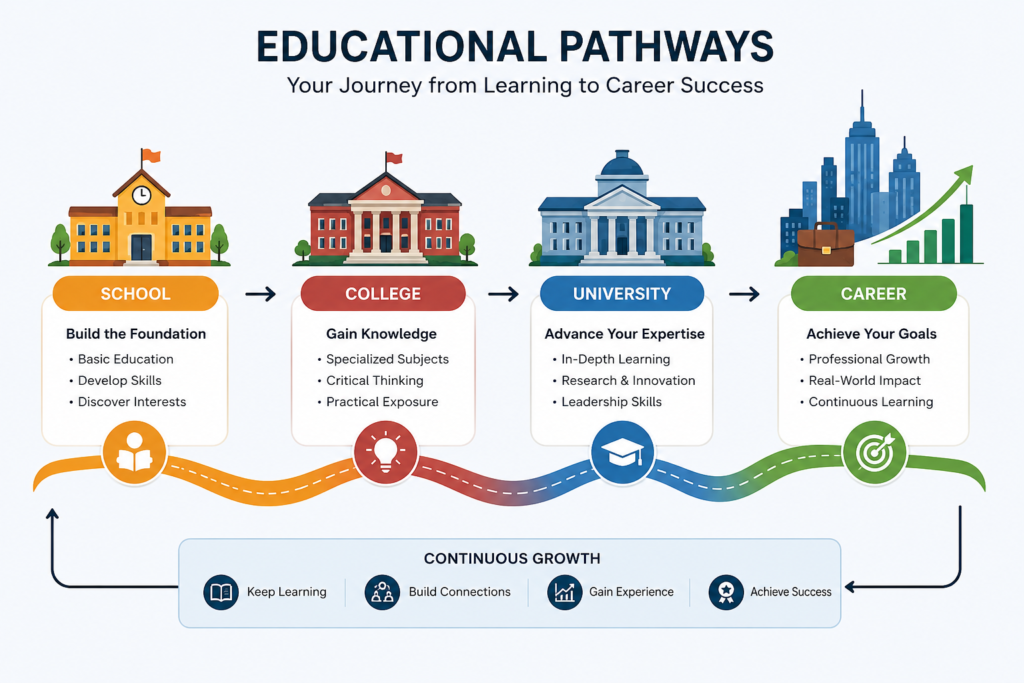
How to Plan Your Study Path Clearly

Many students feel lost at the start. A clear plan helps.

The best approach is step-by-step thinking:

  • Choose course
  • Select university
  • Prepare documents
  • Apply
  • Get visa
  • Travel

This simple structure removes confusion.

Understanding Career Opportunities After Study

After completing studies in the USA students get many career options.

You can work in companies start your own business or continue higher studies.

Fields like IT business and healthcare have a strong demand.

Experience from the USA helps in the global job market.

Final Guide for Students Planning USA Study

Planning a study abroad is a big decision. But with the right steps it becomes simple.

Stay focused on your goal. Follow each step carefully. Don’t rush.

Your success depends on preparation and patience.

This Study Path USA helps students understand the full process in a clear and simple way.

If you follow this Study Path your chances of success increase step by step.