Finding an internship in the USA can feel confusing.
Deadlines rules and visas make it harder.
But internships solve two big problems.
They give work experience.
They boost your resume.
Start early. Don’t wait.
The earlier you apply the better your chances.
This guide keeps it simple.
No fluff. No hype.
Just clear steps to get your internship.
Why Students Look for Internships in the USA
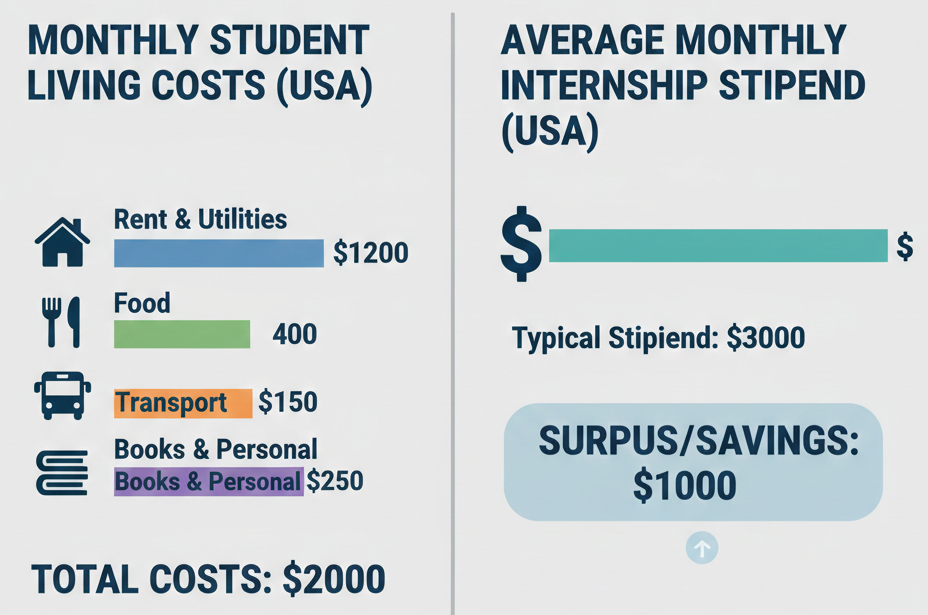
Tuition alone doesn’t cover life.
Rent, food, and books pile up.
Most students need extra income.
Internships do more than pay.
You learn real-world skills.
You make professional contacts.
Who Can Work in the USA?
Rules matter. Break them, and it’s trouble.
US citizens and permanent residents have fewer limits.
International students follow visa rules.
F-1 students usually work on campus first.
Off-campus work needs CPT or OPT approval.
Campus Internships for International Students
Campus internships are the safest option.
They follow visa rules.
Hours are usually 20 per week during semesters.
Jobs are close to classes.
Time spent commuting drops.
Supervisors understand exams and deadlines.
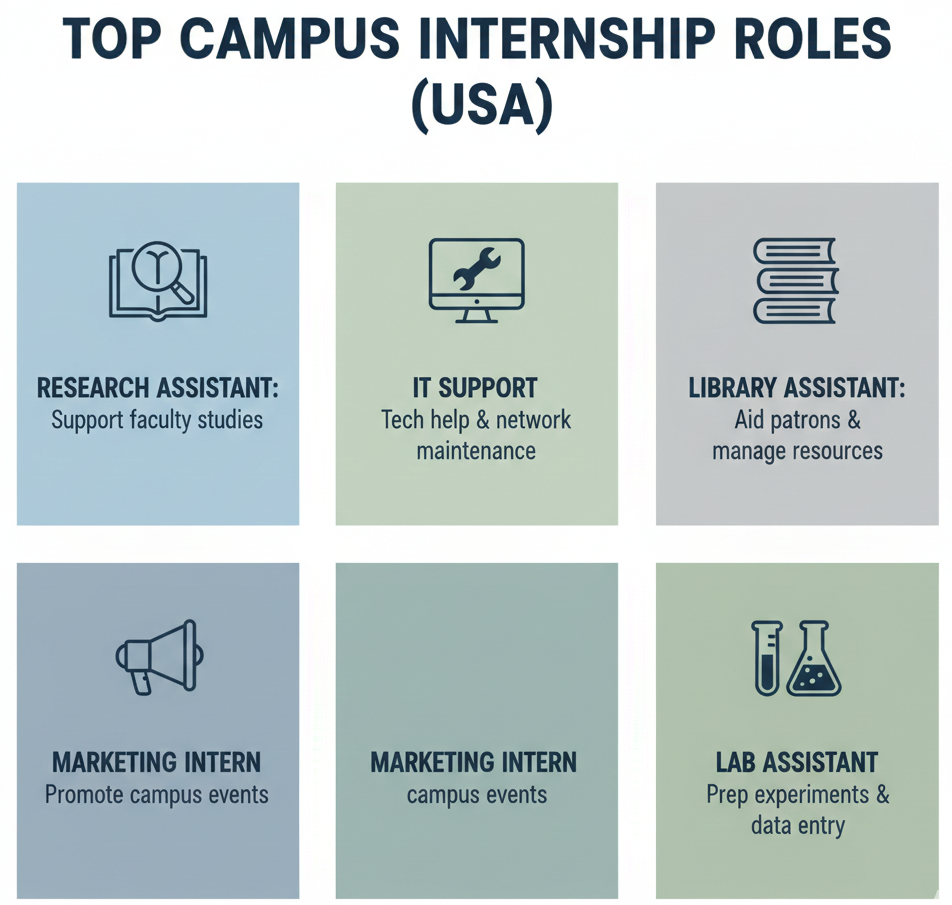
Common roles:
- Library assistant
- Lab helper
- Cafeteria staff
Pay is modest but steady.
Work hours are predictable.
First-year students benefit the most.
Work-Study Programs
Work-study programs are federally funded campus jobs.
You earn money while studying full-time.
Some jobs match your field of study.
Not every student qualifies.
Financial aid forms decide eligibility.
Approval comes before placement.
Hours are capped.
Income won’t cover everything.
But it reduces loan pressure.
Off-Campus Flexible Internships
Flexibility matters. Classes change weekly.
Rigid schedules don’t work.
Flexible options include:
- Retail
- Cafes
- Delivery roles
Evening and weekend shifts help.
Shift swaps give control.
Retail teaches people skills.
Food service builds speed.
Delivery teaches time management.
International students must confirm legal clearance first.
Mistakes can affect visa status.
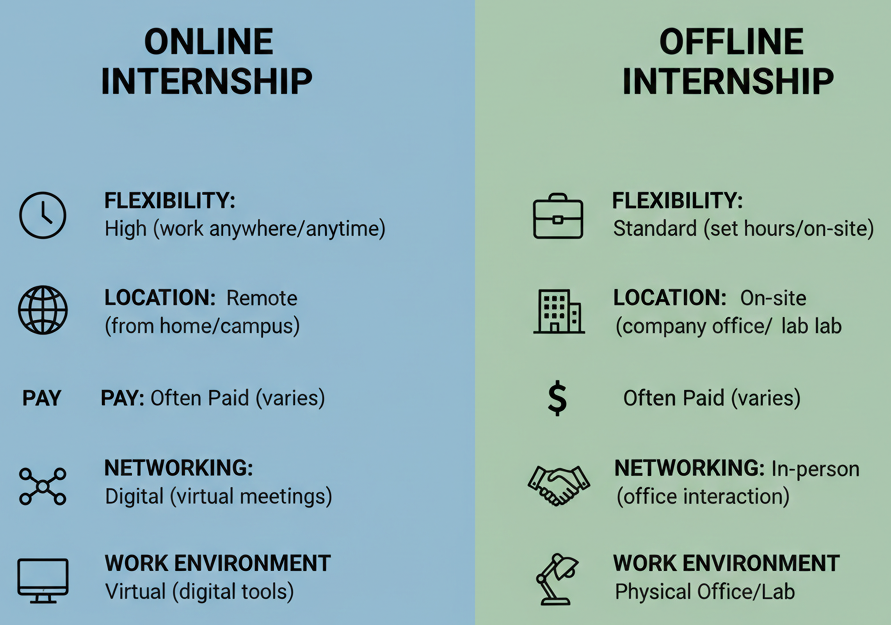
Online Internships
Online internships save travel time.
No fixed shifts. Work from anywhere.
Popular online roles:
- Virtual assistant
- Content support
- Tutoring
- Data entry
Pay depends on skills.
Internet issues can slow work.
Avoid fake offers. Real jobs pay you, not the other way.
Internship Opportunities by Skill Level
Skill level affects pay.
No-skill jobs:
- Store helper
- Cleaner
- Food runner
Pay is low but easy.
Skill-based jobs:
- Tutoring
- Coding help
- Design support
- Writing tasks
Pay is higher.
Experience compounds.
Pick roles matching your current skills.
Consistency beats stress.
Best Paying Part-Time Internships
Pay matters. Time is limited.
High hourly rates help.
- Tutoring pays well.
- Tech support pays more with skills.
- Campus research roles are steady.
- Night or weekend shifts sometimes add bonuses.
Balance pay with health.
Burnout kills grades.
Grades decide long-term success.
How Many Hours Should You Work
Most students do best with 10–20 hours per week.
Grades drop after 25 hours.
Start small.
Track your energy.
Adjust after midterms.
During breaks, you can increase hours.
Always check visa and school limits.
How to Apply for Internships Fast
Speed matters. Rent and bills don’t wait.
Scattershot applications fail. Focus wins.
Start with college career portals.
Visit offices. Speak to supervisors.
Use job boards. Ask classmates.
Referrals beat cold applications.
Prepare a short, one-page resume.
List clear availability.
Resume Tips
Keep it clean. Skip fancy designs.
Clarity wins.
List availability.
Mention teamwork experience.
Highlight reliability.
No experience? Add:
- Volunteer work
- Class projects
One typo can kill chances.
Proofread twice. Then apply.
Cover Letter Tips
Short and simple works best.
Explain why you want the internship.
Mention skills and contribution.
Keep it one page. Start strong in the first 2 lines.
Personalize each letter. Avoid copy-paste.
Networking Tips
Networking works better than cold applications.
Talk to alumni and professors.
Connect on LinkedIn politely.
Ask about openings.
Referrals improve chances significantly.
Interview Tips
Prepare well.
Companies do video or in-person interviews.
Behavioral questions are common.
Use the STAR method: Situation Task Action and Result.
Technical questions may apply to STEM fields.
Visa and Work Authorization
Legal status is mandatory.
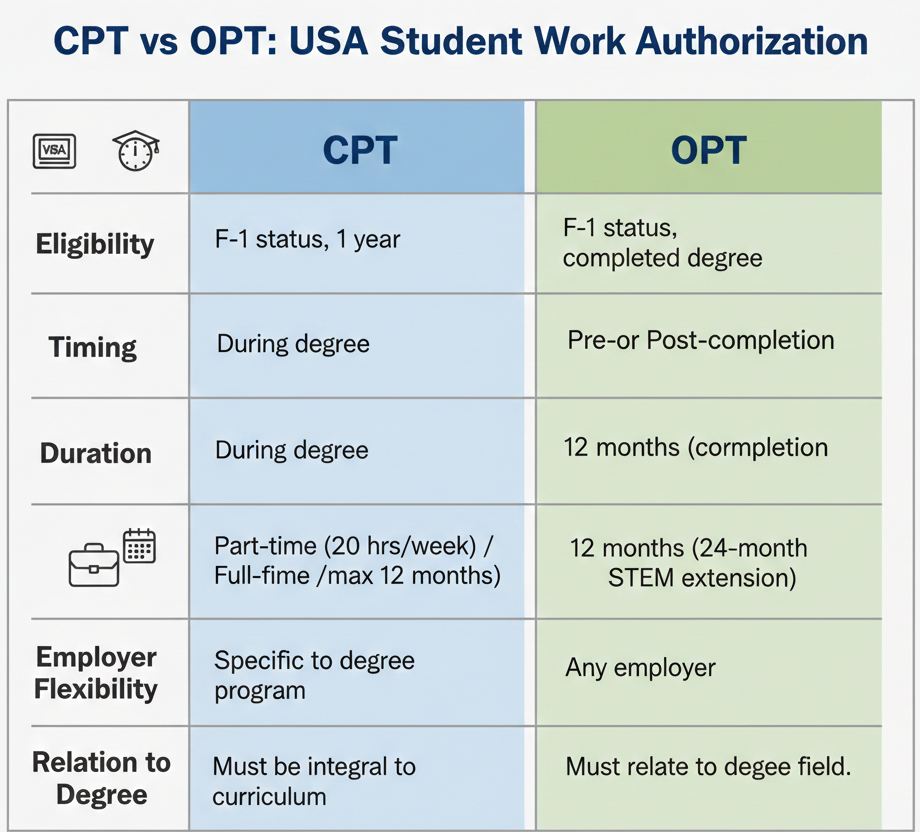
F-1 students:
- CPT for current internships
- OPT after graduation
Check eligibility before applying.
Employer guidance may help, but responsibility is yours.
Making the Most of Your Internship
Take feedback actively.
Ask questions.
Show initiative with small projects.
Document achievements.
These strengthen resumes.
They help with future job applications.
Common Mistakes Students Make
Applying at the last minute.
Generic resumes.
Ignoring visa rules.
Overworking and burning out.
Falling for fake offers.
Planning avoids regret. Ask questions early.
Balancing Internship, Study, and Life
Life has three legs:
- Study
- Work
- Health
Remove one, and everything falls.
Sleep protects memory.
Food fuels focus.
Breaks reset attention.
Use planners. Block study time. Protect exams.
Taxes for Student Interns
Part-time income is taxable.
W-2 or 1099 forms are issued.
International students have different rules.
Campus help centers assist with forms.
Real Student Story
I met a student juggling two internships.
Money came in. Grades slipped.
After switching to a campus internship, stress dropped.
Sleep returned. Grades recovered.
Less work saved the semester.
Is an Internship Worth It?
Yes, if hours are controlled.
Tasks fit schedules. Legal rules followed.
It supports costs.
Builds discipline.
Adds early experience.
The goal isn’t just money.
It’s stability. Growth. Preparation.
Where to Start Today
Start small.
Check college job boards tonight.
List available hours.
Prepare one resume.
Apply to three internships.
Follow up politely.
Progress starts with action.
Not waiting. Not hoping.

