Home Blog Page 5

How to Become a Digital Marketer in the USA Explained Simply

One skill set.
  Many roles.
  Clear paths.

Digital marketing focuses on results.
  Skills drive hiring.
  Location matters less.

Without skills.
  Jobs stall.
  Growth stops.

What Becoming a Digital Marketer in the USA Means

Clear skills matter.
  This career rewards proof.
  Learning stays ongoing.

Digital marketing in the USA follows demand.
  Businesses need traffic.
  Sales depend on visibility.

Students watch trends.
  Career switchers adapt.
  Employers seek readiness.

Why Digital Marketing Careers Are Growing

Businesses moved online.
  Competition increased.
  Attention became currency.

One skill fits many industries.
  Retail uses it.
  Tech depends on it.

Demand keeps rising.
  Roles keep expanding.
  Skills stay relevant.

Beginner Entry into Digital Marketing

Beginners can start early.
  No degree barrier exists.
  Practice leads progress.

Online marketing training for beginners helps.
  Basics come first.
  Tools follow next.

Learning stays step-based.
  Confidence builds slowly.
  Results show with time.

Core Skills Every Digital Marketer Needs

Skills form the base.
  Tools support work.
  Data guides decisions.

SEO builds visibility.
  Content drives trust.
  Ads bring traffic.

Analytics show direction.
  Social platforms spread reach.
  Email keeps in contact.

Digital Marketing Courses in the USA

Courses shape foundations.
  Quality varies widely.
  Selection matters.

Digital marketing courses in the USA should teach practice.
  Projects matter.
  Updated tools help.

Certificates support credibility.
  Skills prove ability.
  Results confirm learning.

Learning Online Marketing in the USA

Online learning fits schedules.
  Flexibility helps consistency.
  Access stays open.

Learn online marketing in the USA through platforms.
  Lessons stay recorded.
  Practice stays repeatable.

Offline learning exists, too.
  Structure helps some.
  Choice depends on the learner.

Digital Marketing Certification Programs

Certifications show readiness.
  They signal basics.
  They don’t replace skill.

Digital marketing certification programs cover tools.
  Google supports ads.
  Meta supports social.

Certificates support resumes.
  Portfolios close deals.
  Experience seals trust.

Time Needed to Become Job-Ready

Time varies by effort.
  Consistency matters most.
  Speed depends on focus.

Three months build basics.
  Six months build confidence.
  Practice decides pace.

Learning feels layered.
  First simple.
  Then applied.

Gaining Practical Experience

Practice builds proof.
  Proof builds trust.
  Trust brings work.

Blogs show SEO skills.
  Social pages show growth.
  Ads show targeting.

Small projects count.
  Local work helps.
  Results speak.

Building a Digital Marketing Portfolio

Portfolios show action.
  Not claims.
  Not promises.

Include traffic results.
  Show engagement data.
  Explain decisions.

Simple layouts work.
  Clear metrics matter.
  Honesty builds trust.

Career Paths in Digital Marketing USA

One field.
  Many roles.
  Clear choices.

SEO specialists focus on search.
  PPC managers run ads.
  Content marketers write value.

Career in digital marketing USA stays flexible.
  Roles evolve.
  Skills transfer.

Salary Outlook in the USA

Pay reflects skill.
  Experience raises value.
  Results boost income.

Entry-level roles pay modestly.
  Mid-level roles grow fast.
  Experts earn more.

Remote work widened access.
  Location limits dropped.
  Opportunities expanded.

Freelance or Full-Time Roles

Both paths exist.
  Both need skill.
  Choice stays personal.

Freelance offers freedom.
  Jobs offer stability.
  Switching is possible.

Many are employed.
  Later, go independent.
  Experience guides choice.

Skills don’t bypass the law.
  Status matters.
  Planning helps.

Students use internships.
  Professionals seek sponsorship.
  Others work remotely.

Compliance stays required.
  Awareness prevents risk.
  Preparation helps.

Learning Resources That Support Growth

Free tools teach basics.
  Paid tools go deeper.
  Balance helps.

Google Skillshop trains ads.
  HubSpot teaches inbound.
  Practice tools support learning.

Focus avoids overload.
  One skill at a time.
  Progress stays steady.

Common Beginner Mistakes

Rushing causes gaps.
  Skipping basics hurts growth.
  Trends distract focus.

Copying without testing fails.
  Ignoring data misleads.
  Consistency fixes errors.

Marketing rewards patience.
  Testing guides action.
  Results follow effort.

Trust Signals Employers Look For

Proof builds confidence.
  Clarity builds belief.
  Results build trust.

Clear reports matter.
  Tool knowledge helps.
  Communication counts.

Promises fade fast.
  Evidence stays strong.
  Delivery wins roles.

Practical Next Steps

Action builds skill.
  Skill builds a career.
  Start now.

Choose one course.
  Practice daily.
  Build one project.

Apply consistently.
  Track learning.
  Improve steadily.

Long-Term Career Outlook

Growth stays ongoing.
  Skills update regularly.
  Learning continues.

Digital marketing adapts.
  Demand stays active.
  Careers stay flexible.

Progress feels gradual.
  Direction stays clear.
  Effort compounds.

Final Perspective

Digital marketing rewards doers.
  Not talkers.
  Not shortcuts.

The path stays open.
  Skills guide entry.
  Consistency sustains growth.

Careers grow steadily.
  When learning stays focused.
  And action stays regular.

Advance Education Inc Purpose and Importance Today

Education shapes real lives.
 It decides jobs, income, and confidence.
 That’s why advanced education ink matters more than most people think.

Advance education Inc. focuses on structured learning support.
 It works across testing, training, and academic services.
 The goal stays simple: clear paths to better learning results.

What Is Advance Education Inc.

Advance Education Inc. is an education services provider that supports learning assessment, and skill development through structured academic tools, testing services, and guidance programs. It works with learners, institutions, and professionals to improve outcomes through clear systems, not shortcuts.

The company operates in the education support space.
 It doesn’t sell degrees.
 It supports how learning happens.

Many learners struggle with direction.
 Advance Education Inc. fills that gap.
 It focuses on preparation, structure, and guidance.

Advance Education

Why Advance Education Inc. Exists

Learning often feels like a maze.
 Students hit walls.
 Parents feel lost.

Advance education Inc. exists to reduce confusion.
 It provides systems that guide learning steps.
 Clear steps reduce stress and mistakes.

Think of it like a map.
 A map doesn’t walk for you.
 It shows where not to get lost.

Who Uses Advance Education Inc. Services?

Students use it the most.
 Professionals come next.
 Institutions also rely on it.

Students need exam clarity.
 Professionals need skill proof.
 Institutions need reliable assessment support.

Each group has one thing in common.
 They want results.
 They want fairness.

How Advance Education Inc. Supports Students

Advance Education Inc. supports students by offering structured academic assistance, exam-related services, and learning guidance that aligns with formal education standards. These services reduce guesswork, improve preparation, and help students meet academic expectations without shortcuts or false promises.

Students often study hard but miss direction.
 That’s like rowing without a compass.
 Effort goes nowhere.

Structured support fixes that.
 Clear targets save time.
 Confidence grows naturally.

Advance Education

Advance Education Inc. and Academic Integrity

Trust matters in education.
 Without trust, certificates lose value.
 Advance education Inc. respects this rule.

It works within academic systems.
 It follows formal assessment standards.
 That protects learners long-term.

Shortcuts often look tempting.
 They cost more lately.
 Strong foundations always win.

Role of Advance Education Inc. in Skill Development

Degrees alone don’t guarantee jobs.
 Skills fill the gap.
 Advance education Inc. supports skill validation.

Skill-based assessments help learners prove their ability.
 Employers value proof.
 Paper alone isn’t enough.

This creates balance.
 Education meets real-world needs.
 Learners gain confidence.

Advance Education

Is Advance Education Inc. Legit?

Advance Education Inc. operates as a structured education support provider aligned with formal learning systems and assessment standards. Its services focus on preparation and validation, not degree selling, which supports legitimacy and long-term learner value.

Legitimacy comes from structure.
 Clear processes matter.
 Hidden promises raise red flags.

Advance education Inc. avoids that.
 Its role stays defined.
 That builds trust.

Advance Education Inc. vs Traditional Education

Traditional education teaches content.
 Advance education Inc. supports the process.
 They serve different roles.

Schools deliver lessons.
 Advance Education Inc. supports outcomes.
 Both matter.

It’s like a gym trainer.
 The trainer doesn’t lift for you.
 They guide form and pace.

How Advance Education Inc. Helps Career Growth

Careers demand proof.
 Proof demands structure.
 That’s where support helps.

Advance education Inc. links learning to goals.
 Exams connect to careers.
 Skills connect to roles.

This reduces wasted effort.
 Every step has purpose.
 Time gets respected.

Advance Education

Why Trust Matters Here

Experience builds confidence.
 Expertise shapes guidance.
 Authority earns respect.

Advance education Inc. works within known frameworks.
 That supports authority.
 Clear systems show experience.

Trust grows when promises stay realistic.
 No hype needed.
 Results speak quietly.

Common Misunderstandings about Advance Education Inc.

Some think it replaces schools.
 It doesn’t.
 Others expect instant success.

Learning still takes effort.
 Support doesn’t remove work.
 It removes confusion.

Another my is quick certificates.
 That harms careers.
 Advance education Inc. avoids that path.

Education keeps changing.
 Support systems grow alongside it.
 Advance education Inc. fits this shift.

Online learning needs structure.
 Testing needs fairness.
 Support services fill gaps.

This trend keeps growing.
 Learners want guidance.
 Institutions want consistency.

Advance Education

What to Check before Using Advance Education Inc.

Check service scope.
 Know your goals.
 Ask clear questions.

Education support should match needs.
 Not all learners need the same help.
 Clarity saves money.

Read policies carefully.
 Transparency matters.
 Trust follows clarity.

Advance Education Inc. and Long-Term Value

Short wins fade fast.
 Strong foundations last.
 Education works the same way.

Advance education Inc. focuses on lasting value.
 Skills remain useful.
 Confidence stays steady.

This matters years later.
 Careers change.
 Core skills stay.

Who Should Consider Advance Education Inc.

Students are facing major exams.
 Professionals needing validation.
 Institutions seeking assessment support.

If learning feels scattered, help matters.
 If goals feel unclear, guidance helps.
 Support isn’t weakness.

It’s like using a map.
 The road stays yours.
 Direction helps.

Final Thoughts on Advance Education Inc.

Education works best with structure.
 Effort needs direction.
 Support fills the gap.

Advance education Inc. stays within that role.
 No false promises.
 Just clear systems.

That’s why it matters today.

Your Next Step in Academic Success

If learning feels confusing, pause.
 Clarity changes everything.
 Support can save years.

Explore Advance Education Inc. carefully.
 Match services to your goals.
 Make your next step count.

Top Certifications for IT Jobs in the USA

Why IT certifications still matter in 2026

Jobs don’t wait. Bills don’t pause.
 IT certifications help you move faster toward stable work in the USA.

Hiring managers want proof. Degrees take time. Experience takes access.
 Certifications sit in the middle. They show skills, focus, and job readiness.

If you want high-paying IT certifications for professionals, this guide helps.
 If you want popular technology certifications for jobs, it’s all here.

What makes an IT certification valuable in the USA?

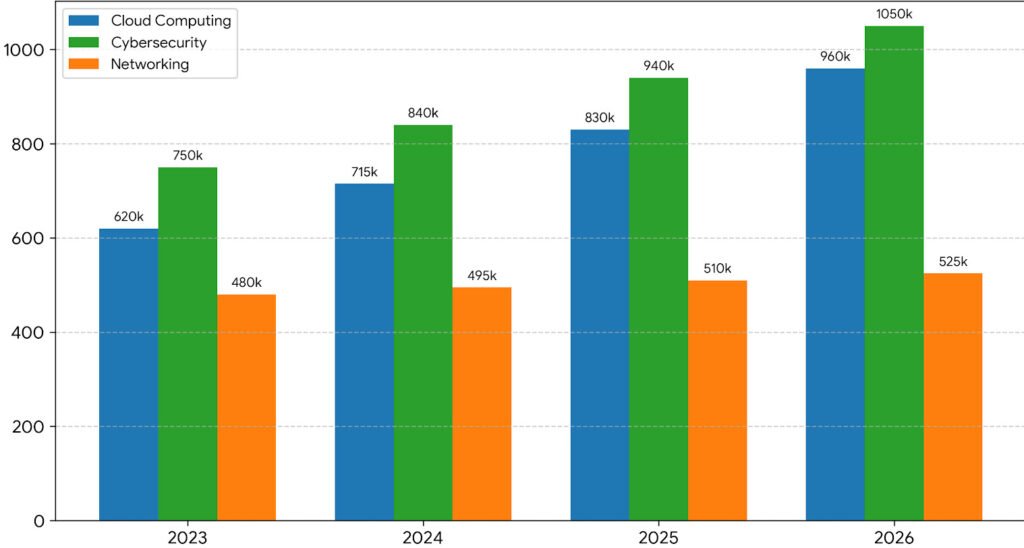
Employers care about skill proof, not course length. Certifications tied to cloud, security, and networking meet this need across states and industries.

After the basics, value comes from three things.
 Job listings. Salary ranges. Employer trust.

Certifications backed by known vendors get more interviews.
 Skills tied to cloud, data, and security pay more.

StudyPathUsa

Best IT certifications in USA for beginners

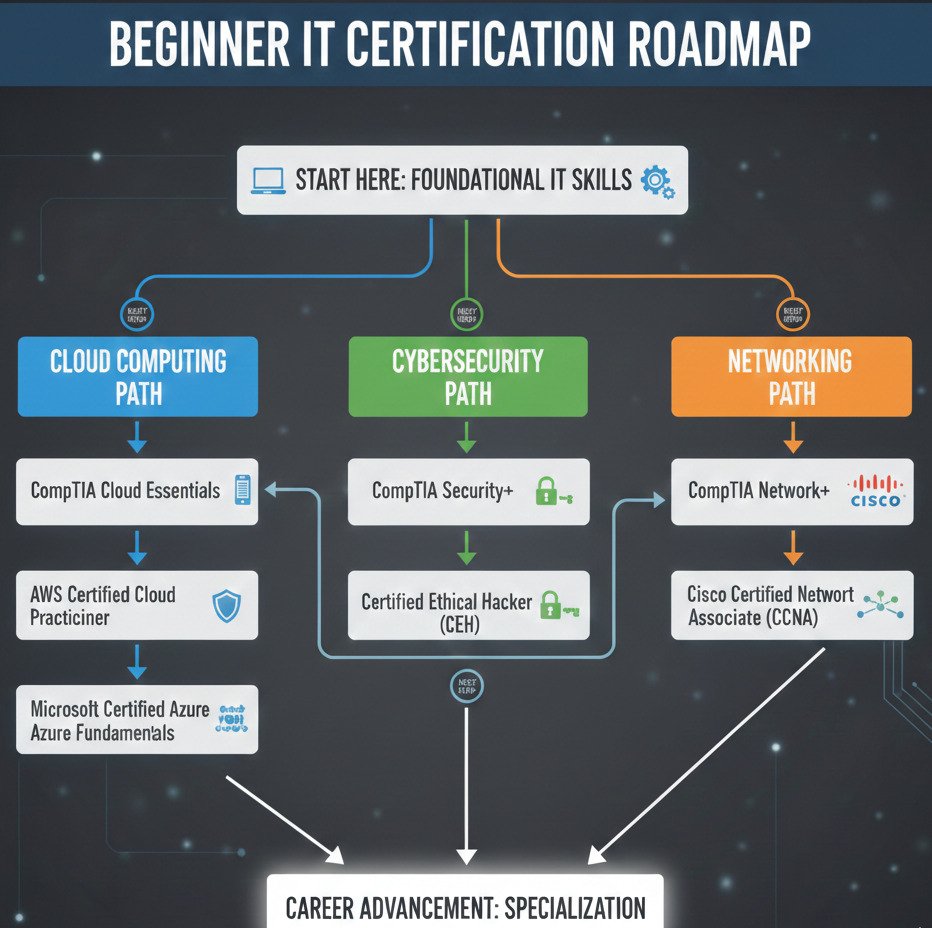
CompTIA

This certification opens doors.
 It fits help desk and junior IT roles.

It covers hardware, OS basics, and troubleshooting.
 US employers use it as a baseline filter.

Average US salary range: $45,000–$60,000.
 Good first step if you’re starting from zero.

CompTIA Network

Networking runs everything.
 This cert builds strong ground skills.

It helps with junior network roles.
 It also prepares you for Cisco paths later.

Average US salary range: $60,000–$75,000.
 Good choice for long-term growth.

CompTIA Security

Security jobs keep growing.
 This cert proves basic cyber skills.

US government roles often ask for it.
 Private firms accept it too.

Average US salary range: $70,000–$90,000.

StudyPathUsa

High-paying IT certifications for professionals

Amazon Web Services Certified Solutions Architect

Cloud runs US tech stacks.
 This certification proves cloud design skills.

Companies want cost control and uptime.
 This cert shows both.

Average US salary range: $120,000–$150,000.
 Strong demand across startups and enterprises.

Microsoft Azure Administrator

Azure dominates many US firms.
 Healthcare and finance use it heavily.

This cert fits cloud admin roles.
 It pairs well with Windows backgrounds.

Average US salary range: $105,000–$135,000.

Google Cloud Professional Cloud Architect

Google Cloud grows fast in the USA.
 This cert proves system planning skills.

It suits large data workloads.
 Media and AI firms prefer it.

Average US salary range: $130,000–$160,000.

Popular technology certifications for jobs in networking

Cisco CCNA

Networking still matters.
 CCNA proves routing and switching skills.

US companies trust Cisco paths.
 This cert stays relevant year after year.

Average US salary range: $70,000–$95,000.

Cisco CCNP

CCNP targets mid-level roles.
 It goes deeper into enterprise networks.

Data centers rely on these skills.
 So do telecom firms.

Average US salary range: $95,000–$125,000.

IT career certification courses in cybersecurity

ISC2 CISSP

CISSP fits senior roles.
 It focuses on policy, risk, and systems.

US employers trust it.
 Experience is required before full status.

Average US salary range: $130,000–$160,000.

CEH (Certified Ethical Hacker)

CEH focuses on attack methods.
 It fits security analyst roles.

Many US firms list it in jobs.
 It pairs well with Security.

Average US salary range: $90,000–$120,000.

IT certification programs for US employees in data and AI

Microsoft Data Engineer Associate

Data drives decisions.
 This cert proves pipeline skills.

US firms want clean data flow.
 Retail and finance lead demand.

Average US salary range: $115,000–$140,000.

Google Data Analytics Certificate

This fits entry-level data roles.
 It focuses on reports and insights.

Good option for career switchers.
 Lower barrier than engineering paths.

Average US salary range: $70,000–$95,000.

How to choose the right certification for your goal

Start with your target job.
 Then work backward.

If you want support roles, start small.
 If you want cloud pay, go cloud-first.

Time matters.
 Budget matters too.

Cost vs return: what pays back faster?

Cheap doesn’t mean weak.
 Expensive doesn’t mean better.

Security+ costs less but pays well.
 Cloud certs cost more but scale faster.

Think like an investor.
 Put effort where returns show within a year.

How employers verify certification value

Employers check three things.
 Vendor name. Skill match. Recent date.

They don’t care about badges alone.
 They care about applied skills.

Labs, projects, and practice matter.
 Certifications open the door. Skills keep you inside.

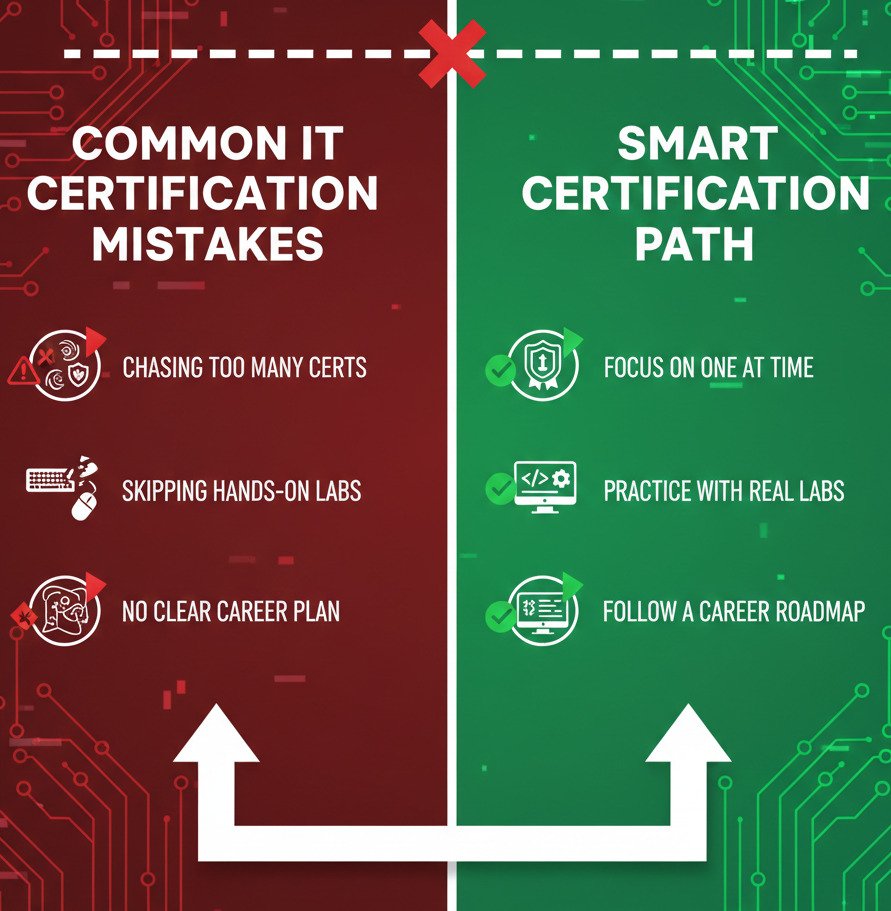
Common mistakes people make

They chase too many certs.
 They skip practice labs.

They ignore job listings.
 They study without a goal.

Avoid this trap.
 Pick one path. Finish it.

StudyPathUsa

Practical trust factors employers

Employers trust proof.
 Not claims.

They trust vendor-backed exams.
 They trust hands-on labs.

They trust steady progress.
 One strong cert beats five weak ones.

This is how credibility forms in IT hiring.

What to do after certification

Update your resume fast.
 Add skills, not just names.

Apply within 30 days.
 Fresh certs convert better.

Build small projects.
 Show real use.

Next steps for your IT career

Start with one role.
 Pick one certification.

Set a 90-day plan.
 Study daily. Apply early.

IT rewards action.
 Waiting costs more than failure.

Final note

This guide covers Best IT certifications in USA,
 High-paying IT certifications for professionals,
 IT career certification courses,
 Popular technology certifications for jobs,
 and IT certification programs for US employees.

Education Center Purpose and Importance Today

0

​​​​​​​Education shapes real lives.
 It influences confidence, career choices, and opportunities.
 That’s why education centers matter more than many people realize.

Education centers focus on structured learning support.
 They work across tutoring skill development and exam preparation.
 The goal is simple to help learners achieve better results with clear guidance.

What Is an Education Center

Education centers institutions, or programs that provide focused learning support.
 They assist students in understanding subjects, developing skills, and preparing for exams.

They don’t replace schools.
 They don’t promise shortcuts.
 They ensure learning is structured, measurable, and practical.

Why Education Centers Exist

Learning can feel confusing.
 Students struggle to grasp complex topics.
 Parents and teachers often find it hard to monitor progress.

Education centers exist to simplify learning.
 They provide clear steps, practice, and feedback.
 Think of them as a guide they show the way, but the effort comes from the learner.

Who Uses Education Center Services

Students are the primary users.
 Teachers use centers to supplement lessons.
 Parents rely on centers for progress updates and support.

Each group shares one goal:
 They want measurable results.
 They want confidence in learning outcomes.

How Education Centers Support Students

Education centers provide tutoring, skill-building sessions, and exam preparation.
 These tools reduce confusion, focus efforts, and improve learning efficiency.

Studying without guidance is like rowing without a rudder.
 Effort can go nowhere.
 Structured guidance ensures every hour counts.

Education Centers and Academic Integrity

Trust is central to education.
 Certifications, reports, and results have value only when credible.

Education centers follow standard teaching practices and assessment methods.
 They work within official learning frameworks.
 Shortcuts may seem tempting, but they don’t produce lasting results.

Role in Teacher and School Support

Teachers gain insights into student progress.
 Schools can adjust teaching methods based on data.

This saves time, reduces errors, and improves overall quality.
 Clear structures allow teachers to focus on teaching rather than paperwork.

Education Centers and Skill Development

Grades alone don’t guarantee success.
 Skills do.

Education centers track abilities alongside academic progress.
 Skill-based sessions give learners proof of their competence.
 Employers often value practical skills more than grades alone.

Are Education Centers Legitimate?

Education centers work within structured programs.
 They follow verified teaching methods and assessment practices.

Legitimacy comes from structure and transparency.
 Clear steps and measurable outcomes build trust.
 No false promises, no shortcuts.

Education Centers vs Traditional Schooling

Traditional schools teach lessons.
 Education centers guide results.

It’s like hiring a personal coach.
 The coach doesn’t lift the weight for you.
 They ensure your form and effort are effective for progress.

Career and Outcome Benefits

Career growth demands evidence of ability.
 Learning without direction wastes time and energy.

Education centers link study, practice, and skill validation.
 Every step is designed to match real-world needs.

Trust and Quality Support

Experience, expertise, and reliability matter.
 Education centers work within known frameworks.
 Clear structures build trust.
 When guidance is consistent and realistic, results follow quietly.

Common Misunderstandings

Some think education centers replace schools.
 They don’t.

Some expect instant results.
 Learning still requires effort.
 Support removes confusion, not work.

Learning keeps evolving.
 Support systems grow alongside it.

Education centers fit current trends: structured online lessons, fair assessments, and clear guidance.
 Learners want clarity.
 Institutions want consistent standards.

What to Check before Choosing a Center

Check the range of services.
 Match offerings to your goals.
 Ask questions clearly.

Not all learners need the same type of support.
 Clarity saves time, effort, and money.
 Policies, transparency, and teaching methods matter.

Long-Term Value

Quick fixes fade.
 Structured support lasts.

Education centers focus on skills, knowledge, and confidence.
 These foundations remain useful as learner’s progress into higher education or careers.

Who Should Consider Education Centers

Students preparing for exams.
 Teachers seeking supplemental support.
 Parents want clear progress tracking.

Support isn’t a weakness.
 It’s a roadmap.
 The learner still moves forward, but with guidance to avoid pitfalls.

Academy for Educational Development Complete Guide

If you’ve ever thought about how education can help communities grow, you’ll want to read this.
 I’ll break down what an Academy for Educational Development means, how it works, and why learners and professionals value it.

What Does the Academy for Educational Development Mean?

Academy for Educational Development refers to a set of practices or programs that help people build better skills for teaching, planning, and learning. It’s about improving education systems and the people inside them.

Example term for clarity: professional development programs for teachers, continuing education for school leaders. 

Why People Search for an Academy for Educational Development

When someone types this into search engines, they’re not just curious about the word.
 They want specifics like:

  • best education training programs near me
  • professional development courses for educators
  • education skill workshops for teachers

How It Usually Works for Learners and Educators

An Academy for Educational Development often offers structured classes or training.
 Programs might include topics like planning lessons, understanding learning theory, or leading schools.

Side Note about Real‑World Examples

The original “Academy for Educational Development” was a nonprofit focused on education and related fields. It ran many global programs from the U.S. and other countries.

Who Benefits From These Programs?

These setups help:

  • teachers looking to improve classroom skills
  • school leaders needing training in administration
  • education planners wanting better outcomes
  • adult learners seeking career growth
Education

Types of Programs You Might See

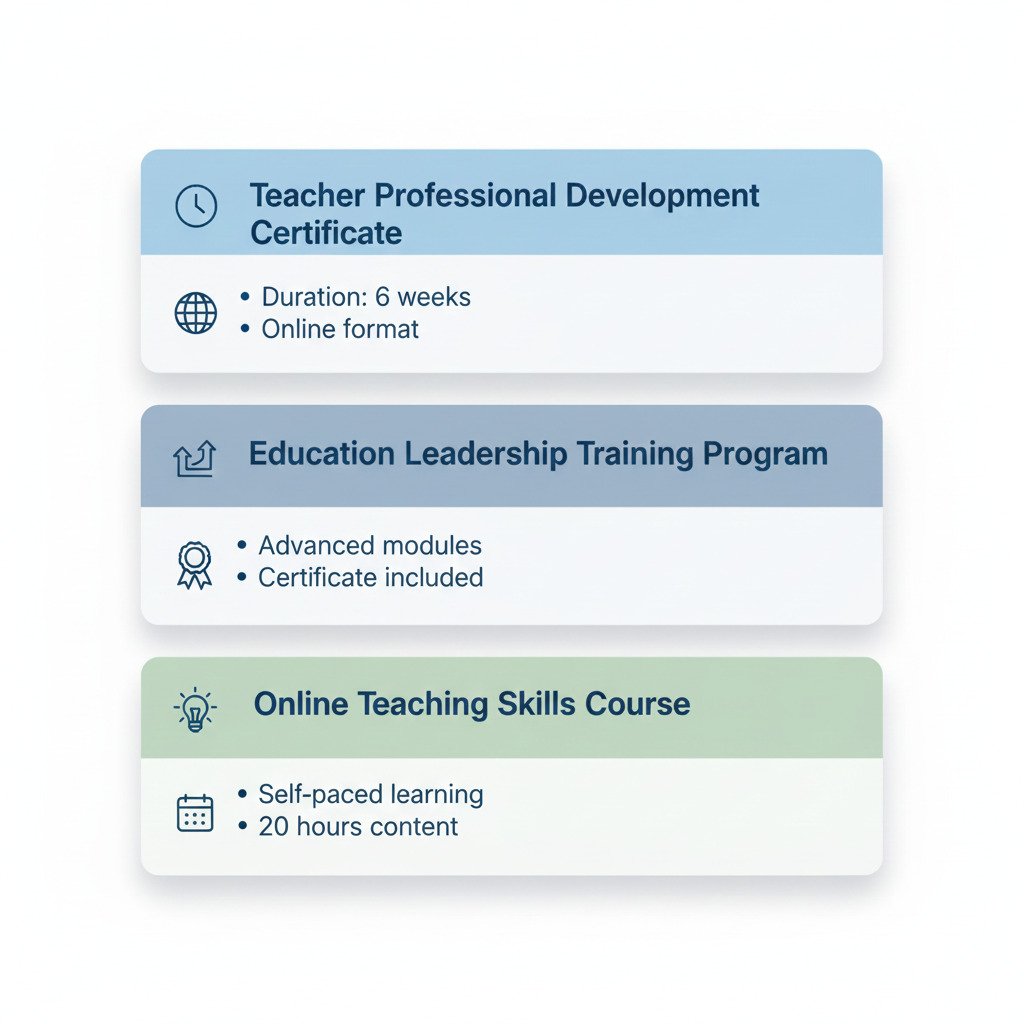
Here’s a quick list of training formats often found in educational development academies:

 Certificate Programs
 Short-term credentials you can add to a resume.

 Workshops and Seminars
 Live or online sessions on focused topics.

 Professional Development Tracks
 Multi‑month learning paths for teachers and leaders.

 Online Courses
 Self‑paced lessons you can take from anywhere.

Education

What You Can Expect to Learn

Many programs center on areas like:

  • instructional design and learning planning
  • classroom leadership and management
  • curriculum development
  • student assessment and feedback methods
  • digital education tools and platforms

Common Questions People Ask

What skills will you get from an Academy for Educational Development?

Answer:
 You’ll gain practical teaching methods, leadership skills, planning strategies, and confidence in managing learning activities or teams.

That means real, applicable skills you can use right away. Then we expand.

Is an academy better than a university degree for educational skills?

Answer:
 It’s not the same as a degree. An academy focuses on hands‑on training and specific skills, while a university degree covers broader academic knowledge.

Both serve a purpose, depending on what you want. A degree gives theory. A development academy gives applicable classroom tools.

Does certification from an Academy for Educational Development matter?

Answer:
 Yes, certifications show employers or schools that you completed structured training and met a standard.

Some programs align with recognized professional development requirements in school districts. Always check accreditation.

How to Pick the Best Training Path

 Ask yourself first:
 What skill do you want to build? Teaching, leadership, technology, or management?

 Second:
 Check the program’s outcomes — what they promise you’ll learn.

 Third:
 Look at reviews or alumni success results.

Real Stories Proof That Programs Matter

Imagine a teacher named Sara. She felt stuck, repeating the same syllabus every year. She joined a development course on modern classroom methods. Soon, her students started participating more. Attendance went up, and test scores improved.

Stories like that matter. They show that education growth isn’t just theory; it makes a difference.

Expert Tip Use the Right Online Keywords Today

If you’re promoting or creating content around this topic, use keywords that show clear intent. For example:

 Academy for Educational Development Online Certification
  Teacher training and development course list
  professional education development programs near me

These long‑tail phrases attract people who are ready to take action — not just skim.

Wrap‑Up Why This Topic Still Matters

Education shapes communities. When teachers and leaders build better skills, classrooms improve, and learners get more chances to succeed.

Academies focused on educational development help fill gaps in traditional training and offer focused, skill‑based learning.

Call to Action

If you’re ready to strengthen your teaching or education leadership skills, start by exploring certified training programs today.
 Look for options that fit your schedule and goals.
 Click here to check updated course lists and reviews.

Education That Solves Real Problems

Education decides how life moves forward.
 Not theory. Not slogans.
 Real skills that help daily life.

Many people feel stuck.
 School ended. College passed.
 But clarity never came.

I’m writing this to fix that gap.
 One person One problem at a time.

Education shouldn’t confuse.
 It should guide like a road sign on a dark highway.

What Does Education Really Mean Today?

Education means gaining clear knowledge and usable skills that help a person think better, work smarter, and make sound decisions in daily life. It includes learning from schools, digital platforms, real work, and personal experiences that shape behavior and thinking.

That’s the truth.
 Nothing more. Nothing less.

Degrees alone don’t define education anymore.
 Understanding does.

Why Education Feels Broken for Many People

People don’t hate education.
 They hate confusion.

Lessons feel distant from life.
 Books speak one language.
 Reality speaks another.

A student memorizes formulas.
 But freezes in real problems.

That gap causes stress.
 Like knowing traffic rules but panicking at a busy crossing.

Education must meet life halfway.

Education vs Schooling Not the Same Thing

Schooling gives structure.
 Education gives direction.

You can attend school for years.
 Still feel lost.

You can also learn outside classrooms.
 And move ahead fast.

Think of schooling as a map.
 Education is knowing how to read it.

Both matter.
 But only one builds confidence.

Types of Education That Matter Now

Formal Education

This includes schools, colleges, and universities.
 It builds basics.

Reading. Writing. Numbers.
 Foundations start here.

But alone, it’s not enough.

Informal Education

This happens every day.
 At home. At work. Online.

A child learns manners from parents.
 A worker learns speed from deadlines.

This shapes thinking more than textbooks.

Digital Education

Phones changed learning.
 Knowledge fits in pockets now.

Online courses. Video lessons.
 Recorded classes.

This helps people who missed chances earlier.

How Education Helps Solve Daily Problems

Education sharpens judgment.
 That’s the key.

A person reads a contract carefully.
 Avoids scams.

A parent understands nutrition labels.
 Chooses better food.

A worker learns communication.
 Avoids conflict at work.

Education acts like glasses.
 The world looks clearer.

Education and Career Growth

Jobs demand more than degrees now.
 They demand thinking.

Education helps people adapt.
 New tools New roles.

A person who keeps learning stays useful.
 Like a phone with updates.

The Role of Teachers in Education

Teachers shape direction.
 Not just lessons.

A good teacher explains simply.
 Like a friend not a judge.

Students remember how they felt.
 Not just what they learned.

Support matters more than pressure.

Education at Home Starts Early

Learning begins before school.
 Way before books.

A child copies behavior.
 Words. Tone. Habits.

Parents teach patience without lectures.
 By example.

This silent education lasts longest.

Why Simple Education Works Best

Complex words confuse.
 Simple words teach.

A clear idea sticks.
 Like glue on paper.

Education should feel like conversation.
 Not a legal document.

When learning feels light, minds open faster.

Education and Confidence

Confidence grows from understanding.
 Not memorization.

A student who knows why speaks freely.
 One who memorizes stays silent.

Education builds inner strength.
 Like muscles built slowly.

Education in the Digital Age

Screens changed habits.
 Attention spans shortened.

Education must adjust.
 Short lessons. Clear points.

Micro learning helps.
 Small steps. Real focus.

Example:
 According to global reports, online learning users grew sharply after 2020.

Common Education Mistakes to Avoid

Teaching without context.
 Rushing without clarity.
 Testing memory instead of thinking.

Education fails when pressure leads.
 Learning follows curiosity, not fear.

Mistakes are teachers too.
 Let students make them safely.

Education for Adults Who Feel Late

It’s never late.
 That’s the truth.

Adults fear judgment.
 That fear blocks learning.

Education doesn’t check age.
 It checks interest.

Like learning to ride a bike.
 Balance comes with practice.

Education and Decision Making

Education trains the mind to pause.
 Think. Then act.

Impulse causes regret.
 Knowledge reduces it.

From money choices to relationships.
 Education helps weigh outcomes.

Building Trust through Education Quality

Trust comes from accuracy.
 Clear sources. Honest limits.

Good education admits gaps.
 And explains uncertainty.

This builds credibility.
 People trust clarity.

Practical Education Beats Theory Alone

Theory explains roads.
 Practice walks them.

Both need balance.
 Too much theory feels dry.

Hands-on learning sticks better.
 Like fixing something yourself.

Education Should Answer Why

Facts matter.
 Reasons matter more.

When students ask why.
 Education begins.

Answers shape curiosity.
 Curiosity fuels growth.

Skills Education Employers Respect

Communication.
 Problem solving.
 Time control.

These skills beat marks alone.
 They show readiness.

Education must train these daily.

Education and Mental Health

Confusion causes stress.
 Clarity brings calm.

Education reduces fear of unknowns.
 It gives structure.

Understanding feelings helps too.
 That’s education in another form.

Measuring Education Success Properly

Grades show memory.
 Not wisdom.

Success shows in action.
 Choices. Behavior.

Education works when people apply it.
 Not when they recite it.

Education That Adapts With Time

The world changes fast.
 Education must keep pace.

Old methods need updates.
 Not replacement. Adjustment.

Like repairing a house.
 Not tearing it down.

Trust Signals That Make Education Reliable

Clear authorship.
 Updated content.
 Real examples.

When education explains limits,
 People listen.

Accuracy earns respect.

A Better Way Forward for Education

Education must stay human.
 Clear. Kind. Useful.

It should answer real needs.
 Not impress with words.

When education feels helpful,
 People return willingly.

Take the Next Practical Step

Learning starts with one step.
 Not pressure.

Pick one skill.
 One topic.

Give it time daily.
 Progress follows quietly.

Education rewards patience.
 Like planting seeds.

Final Thought

Education isn’t about knowing everything.
 It’s about knowing enough to move forward.

That’s how problems shrink.
 That’s how confidence grows.