Environmental conservation means protecting nature and using natural resources in a smart way. It helps keep the air clean, the water safe, and the land healthy. Every person can help protect the environment by making small changes in daily life. These simple actions may seem small, but together they create a big difference.
The United States has many beautiful forests, rivers, lakes, mountains, deserts, beaches, and national parks. Millions of people visit these places every year to enjoy nature. These natural areas also provide homes for thousands of animals and plants. If we do not protect them, future generations may lose many of these beautiful places forever.
Many people believe that only governments can protect nature. This is not true. Every family, school, business, and community has an important role. Turning off lights, recycling, planting trees, saving water, and reducing plastic waste are all easy ways to help. These actions also save money and improve our quality of life.
Environmental conservation is not only about protecting animals or forests. It is also about protecting human health. Clean air reduces breathing problems. Clean water keeps families healthy. Healthy forests produce oxygen and help reduce climate change. When we protect nature, we also protect ourselves.
Table of Contents
- What Is Environmental and Conservation?
- Why Environmental of Conservation Is Important
- Major Environmental Problems in the USA
- Benefits of Environmental and Conservation
- How Every Family Can Help
- Save Water Every Day
- Save Electricity at Home
- Reduce Plastic Waste
- Practice Recycling
- Plant More Trees
What Is Environmental Conservation?
Environmental conservation means protecting the Earth’s natural resources. These resources include forests, rivers, oceans, wildlife, soil, clean air, and fresh water. Conservation also means using these resources wisely so they are available for future generations. Instead of wasting nature, people should protect and care for it every day.
Nature gives us everything we need to survive. We breathe clean air, drink fresh water, grow food in healthy soil, and enjoy beautiful parks and forests. Without these natural resources, life would become much harder. This is why environmental conservation is important for every country, including the United States.
Conservation is not only about protecting large forests or national parks. It also includes small actions at home. Saving electricity, using less water, recycling paper and plastic, and planting flowers or trees all help protect the environment. When millions of people do these small things together, they create a powerful positive impact.
Teaching children about environmental of conservation is also important. Good habits learned at a young age often continue throughout life. Schools and families can work together to build a generation that respects and protects nature.
Why Environmental Conservation Is Important
Environmental conservation keeps our air clean and our water safe. It also protects forests, wildlife, and natural habitats. Healthy ecosystems support farming, tourism, fishing, and many other industries that provide jobs across the United States.
Air pollution can cause breathing problems and other health issues. Water pollution makes rivers and lakes unsafe for people and animals. Conservation helps reduce these problems by encouraging cleaner energy, proper waste management, and responsible use of natural resources.
Protecting nature also helps fight climate change. Trees absorb carbon dioxide and release oxygen into the air. Forests help cool the environment and reduce the effects of rising temperatures. Wetlands protect communities from floods, while healthy soil stores water during dry seasons.
Conservation improves the quality of life for everyone. Families enjoy cleaner parks, safer neighborhoods, healthier food, and better outdoor activities. Children can grow up in cleaner environments where they can learn about nature and enjoy outdoor adventures.
Major Environmental Problems in the USA
The United States faces several environmental challenges. One of the biggest problems is air pollution caused by cars, trucks, factories, and power plants. Dirty air affects both people and wildlife. Many cities work hard to improve air quality, but pollution remains an important issue.
Plastic pollution is another major concern. Millions of plastic bottles, bags, and containers are thrown away every year. Some plastic ends up in rivers, lakes, and oceans where it harms fish, birds, and marine animals. Plastic can remain in nature for hundreds of years before breaking down.
Climate change has increased the number of wildfires, floods, hurricanes, and droughts in many parts of the country. These natural disasters damage homes, forests, farms, and wildlife habitats. Rising temperatures also affect agriculture and water supplies.
Deforestation is another challenge. Cutting too many trees reduces wildlife habitats and increases carbon dioxide in the atmosphere. Trees are important because they clean the air, provide shade, and help prevent soil erosion.
Benefits of Environmental Conservation
Environmental and conservation provides many benefits for people, animals, and the economy. Cleaner air improves public health by reducing asthma and breathing problems. Safe drinking water helps families stay healthy and supports agriculture across the country.
Healthy forests provide wood, medicine, fresh air, and homes for wildlife. They also reduce flooding by absorbing rainwater. Trees keep neighborhoods cooler during the summer and improve the beauty of parks and streets.
Conservation supports tourism in the USA. Millions of visitors travel to national parks, forests, beaches, and mountains every year. These visitors spend money at local businesses, creating jobs for thousands of people.
Protecting the environment can also save money at home. Families who use less electricity and water usually pay lower utility bills. Buying reusable products instead of disposable ones reduces household expenses over time.
How Every Family Can Help
Every family can protect nature by making small daily changes. Turning off lights when leaving a room is one easy habit that saves electricity. Families can also unplug electronic devices when they are not being used.
Using reusable shopping bags instead of plastic bags reduces waste. Refillable water bottles and reusable lunch boxes also help keep plastic out of landfills and oceans.
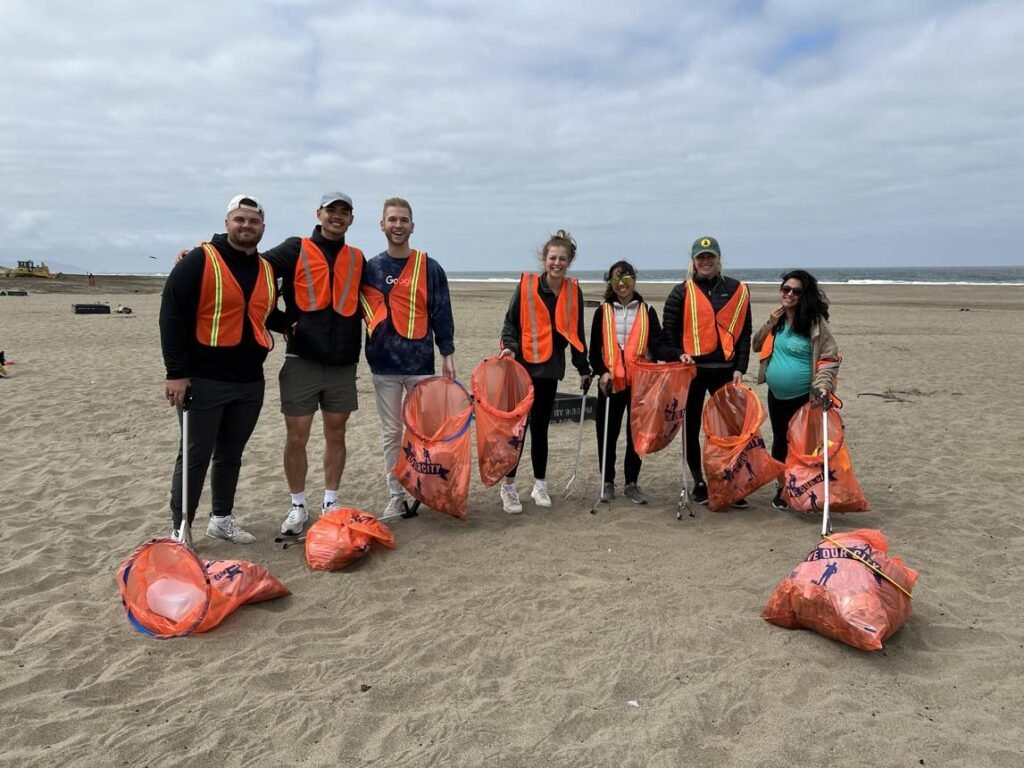
Keeping neighborhoods clean is another important step. Picking up litter while walking or joining local cleanup events helps protect parks, rivers, and playgrounds. Children enjoy these activities and learn responsibility at the same time.
Families can also teach children about recycling and nature. Reading books about wildlife, visiting national parks, and planting flowers at home help children understand why protecting the environment matters.
Save Water Every Day
Fresh water is one of our most valuable natural resources. Every drop matters because people, animals, and plants all depend on clean water. Saving water also reduces household bills and protects rivers and lakes.
Simple habits can make a big difference. Turn off the faucet while brushing your teeth. Repair leaking faucets quickly because even small leaks waste many gallons of water every month.
Water plants early in the morning or during the evening. This reduces evaporation during hot summer days. Using a watering can instead of a hose also saves water.
Shorter showers and water-efficient appliances help families use less water without changing their daily lifestyle very much. Every small action helps protect this important resource.
Save Electricity at Home
Saving electricity helps reduce pollution because many power plants still use fossil fuels. Using less energy protects the environment while lowering monthly electricity bills.
Turn off lights, televisions, computers, and fans when they are not needed. Open curtains during the daytime to use natural sunlight instead of electric lights.
Choose energy-efficient LED light bulbs because they use less electricity and last much longer than traditional bulbs. Modern appliances with energy-saving labels also reduce electricity use.
During winter, keep doors and windows closed to stop warm air from escaping. During summer, use ceiling fans whenever possible before turning on air conditioning.
Reduce Plastic Waste
Plastic waste has become one of the biggest environmental problems worldwide. Single-use plastic products are often thrown away after only a few minutes of use. Many of these items end up in rivers and oceans.
Carry reusable shopping bags whenever you go to the store. Choose reusable water bottles and food containers instead of disposable plastic products.
Avoid buying products with unnecessary plastic packaging. Many companies now offer environmentally friendly alternatives made from recycled materials.
Always place recyclable plastic items in the correct recycling bin. Proper waste disposal keeps communities cleaner and protects wildlife from harmful plastic pollution.
Practice Recycling
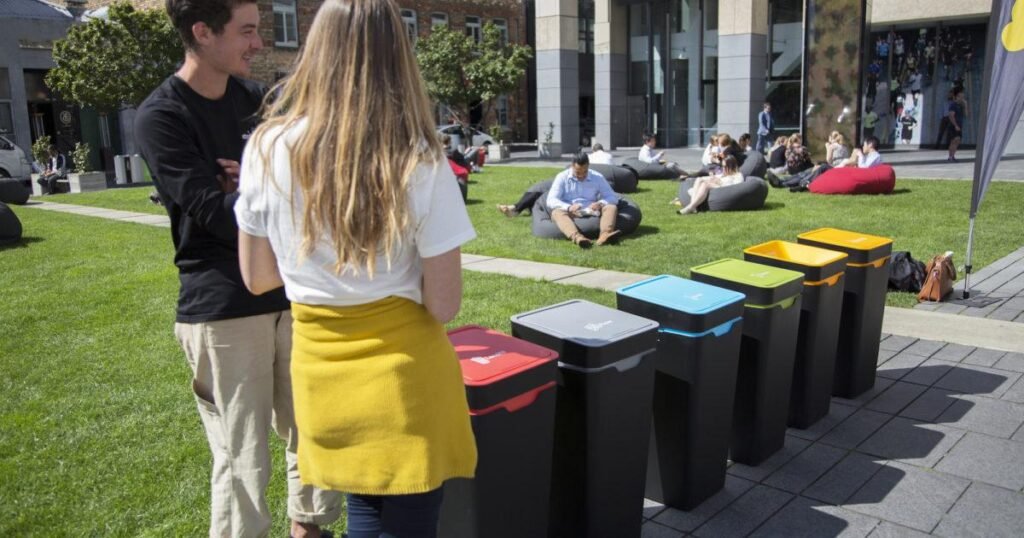
Recycling reduces the amount of waste sent to landfills and saves valuable natural resources. Paper, cardboard, glass bottles, aluminum cans, and many plastic containers can all be recycled.
Before placing items into recycling bins, clean food containers to remove leftover food. Flatten cardboard boxes to save space during transportation.
Communities across the United States provide recycling programs that make it easy for families to recycle common household items. Learning local recycling rules helps people recycle correctly.
Every recycled item reduces pollution and helps protect forests, rivers, and wildlife. Recycling is one of the easiest ways to support environmental an conservation every day.
Plant More Trees
Trees are one of the most valuable parts of nature. They produce oxygen, absorb carbon dioxide, provide shade, and create homes for birds and other wildlife. Healthy forests also improve air quality and reduce soil erosion.
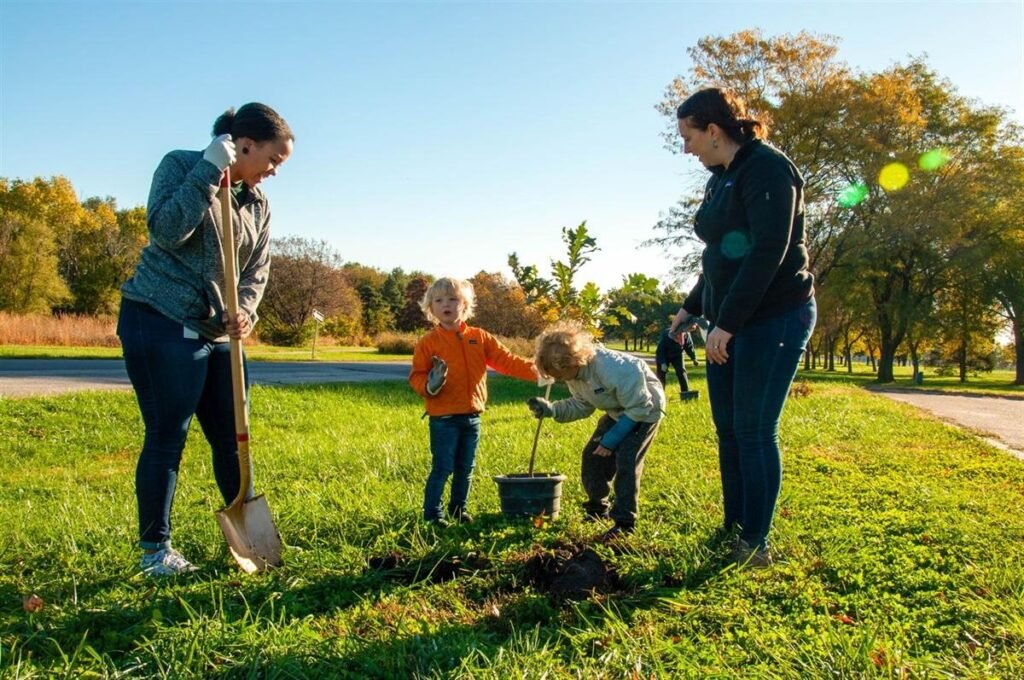
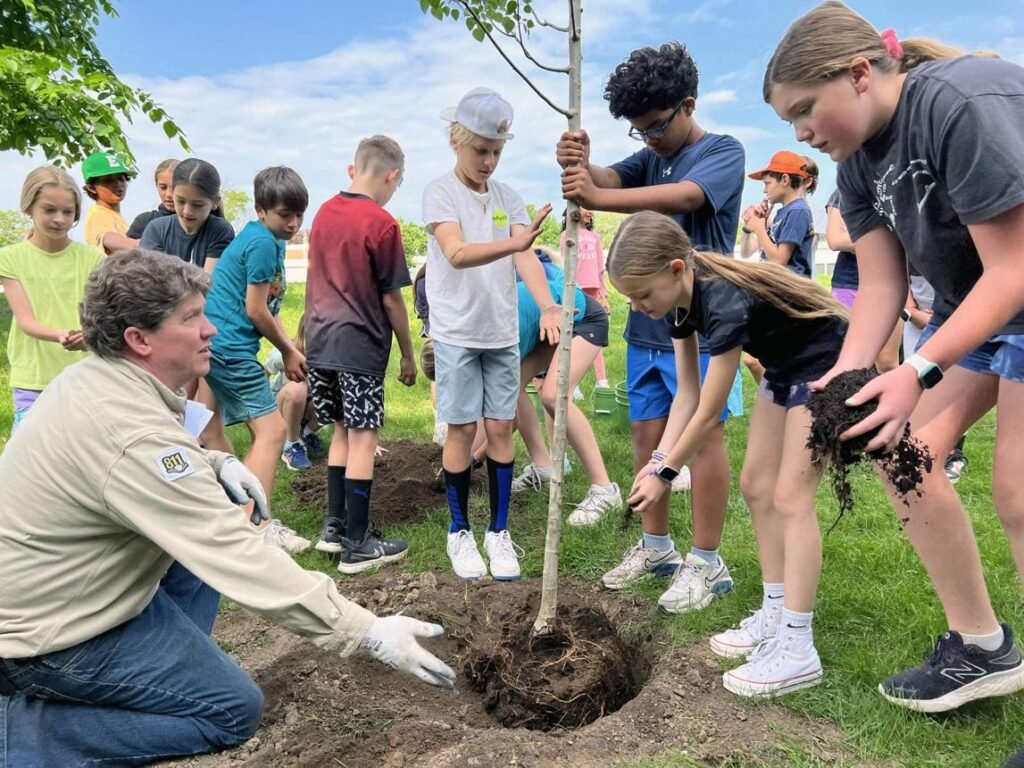
Planting even one tree can make a positive difference. Communities across the United States often organize tree-planting events where families and volunteers work together to improve local parks and neighborhoods.
Taking care of existing trees is just as important as planting new ones. Watering young trees, protecting them from damage, and avoiding unnecessary cutting all support environmental of conservation.
When more trees are planted, neighborhoods become greener, cooler, and healthier. Trees also make cities more beautiful and improve the quality of life for everyone.
Protect Wildlife
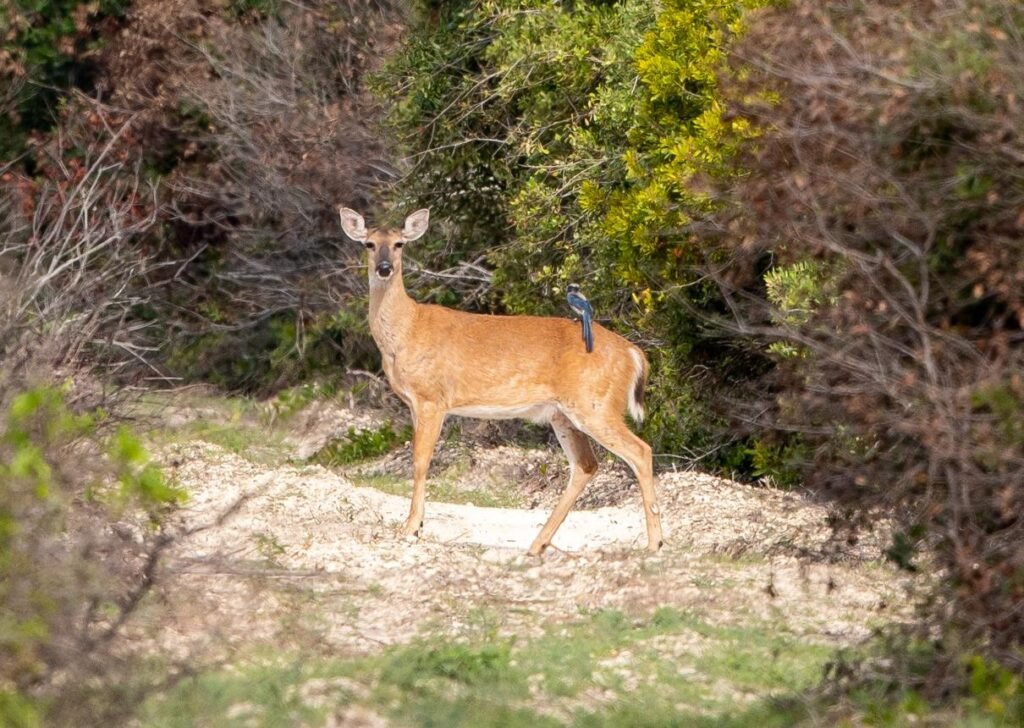
Wildlife is an important part of nature. Animals, birds, insects, and fish all help keep the environment balanced. Every living thing has a purpose. If one species disappears, it can affect many others. Protecting wildlife helps keep ecosystems healthy and strong.
Many animals in the United States have lost their natural homes because of deforestation, pollution, and growing cities. Some species are now endangered. Conservation programs work to protect these animals and restore their habitats so they can survive.
People can also help wildlife in simple ways. Do not throw trash into parks, rivers, or forests. Avoid disturbing animals in their natural habitats. Support wildlife protection organizations and respect park rules. These small actions help protect many different species.
Bird feeders, flower gardens, and small trees can attract birds and butterflies to your yard. Native plants also provide food and shelter for local wildlife. Every home can become a small safe place for nature.
Use Renewable Energy
Renewable energy comes from natural sources that do not run out. These sources include sunlight, wind, and water. Unlike fossil fuels, renewable energy produces much less pollution and helps reduce climate change.
Many homes in the USA now use solar panels to produce electricity. Wind farms also provide clean energy to thousands of communities. Hydroelectric power uses moving water to generate electricity without burning fuel.
Although installing renewable energy systems may cost money at first, they often reduce electricity bills over time. Many homeowners save money while helping protect the environment.
Using clean energy means cleaner air, healthier communities, and a better future for everyone. As technology improves, renewable energy is becoming more affordable and available across the country.
Live a Sustainable Lifestyle
Sustainable living means using natural resources carefully so future generations can enjoy them too. It is about making smart choices every day without wasting food, water, electricity, or other resources.
Buying only what you need reduces waste. Choosing reusable products instead of disposable ones helps protect the environment. Repairing broken items instead of throwing them away also reduces landfill waste.
Walking, biking, or using public transportation instead of driving short distances can reduce air pollution. Sharing rides with friends or coworkers also saves fuel and lowers carbon emissions.
Eating locally grown fruits and vegetables supports local farmers while reducing transportation pollution. Small lifestyle changes made every day can have a lasting impact on the environment.
Environmental And Conservation in Schools
Schools play an important role in teaching children how to care for nature. Students who learn good environmental habits at a young age are more likely to continue them as adults.
Schools can organize recycling programs, tree-planting events, and classroom discussions about protecting the environment. Students can also participate in clean-up campaigns around their school and community.
Teachers can encourage children to save paper by using both sides of each sheet. Turning off classroom lights and computers after use also helps reduce energy waste.
Environmental education helps students understand how their daily actions affect the planet. These lessons build responsible citizens who care about nature.
Environmental and Conservation Programs in the USA
Many organizations and government agencies work to protect natural resources across the United States. National parks protect forests, mountains, rivers, and wildlife for future generations. These protected areas allow people to enjoy nature while keeping ecosystems healthy.
Many local communities organize recycling drives, tree-planting events, river cleanups, and educational programs. Volunteers of all ages can join these activities and make a positive difference.
State parks and wildlife refuges also protect endangered animals and important natural habitats. Conservation scientists study plants, animals, and ecosystems to find better ways to protect them.
Community support is very important. When people volunteer together, environmental projects become more successful and inspire others to take action.
Common Mistakes People Make
Many people want to protect the environment but unknowingly make small mistakes. Understanding these mistakes helps everyone make better choices.
Some people throw recyclable items into regular trash bins. Others leave lights and electronic devices on when they are not using them. Wasting water while brushing teeth or washing cars is another common mistake.
Using too many disposable plastic products also increases pollution. Buying more food than needed often leads to food waste, which also harms the environment.
Avoiding these simple mistakes helps families save money while protecting nature every day.
Daily Environmental And Conservation Checklist
Here are some easy habits you can follow every day.
- Turn off lights when leaving a room.
- Save water while brushing your teeth.
- Carry a reusable shopping bag.
- Use a reusable water bottle.
- Recycle paper, glass, and plastic.
- Plant flowers or trees.
- Walk or ride a bicycle for short trips.
- Keep parks and streets clean.
- Reduce food waste.
- Teach children to respect nature.
These simple habits take only a few minutes each day, but together they make a big difference for the environment.
Final Thoughts
Environmental conservation is everyone’s responsibility. Every small action helps create a cleaner, healthier, and safer world. Protecting nature is not difficult. Saving water, reducing plastic waste, planting trees, recycling, and using energy wisely are simple habits that anyone can follow.
The United States has many beautiful natural places that deserve protection. Forests, rivers, wildlife, and national parks are valuable resources that support both people and animals. By caring for the environment today, we help create a better future for tomorrow.
Every family, school, and community can make a difference. When millions of people work together, even small actions become powerful. Start with one simple habit today and encourage others to do the same. Together we can protect our planet for future generations.
Frequently Asked Questions.
1. What is environmental conservation?
Environmental conservation means protecting nature and using natural resources wisely so they remain healthy for future generations.
2. Why is environmental and conservation important?
It keeps the air clean, protects water, saves wildlife, reduces pollution, and helps fight climate change.
3. How can I help protect the environment?
You can recycle, save water, use less electricity, plant trees, reduce plastic waste, and keep your community clean.
4. What are the biggest environmental problems in the USA?
Air pollution, plastic waste, climate change, water pollution, and deforestation are some of the biggest environmental challenges.
5. How does planting trees help the environment?
Trees produce oxygen, absorb carbon dioxide, improve air quality, prevent soil erosion, provide wildlife habitats, and help reduce climate change.

