Learning English feels heavy at first.
Words don’t come out right.
Class moves fast.
Confidence drops.
English decides school success.
Every subject depends on it.
That’s why the education department’s English learners need clear support.
This guide keeps things direct.
Short steps.
Real help.
No theory talk.
Why English Skills Matter for Students
English controls access.
Books, exams, and instructions all use it.
Weak English blocks progress.
Students with support do better.
Grades rise.
Participation improves.
Dropout risk falls.

Who Are English Language Learners
English learners speak another language at home.
The school uses English instead.
That gap causes stress.
Some students arrive recently.
Others grow up bilingual.
Both need structured help.
Role of the Education Department
The education department sets direction.
Rules.
Funding.
Learning targets.
Schools follow these guidelines.
Teachers receive training.
Progress stays measurable.

English Language Learning Programs
English language learning programs give a daily structure.
Lessons focus on real use.
Not long grammar drills.
Programs usually cover:
Reading basics
Listening practice
Speaking confidence
Writing clarity

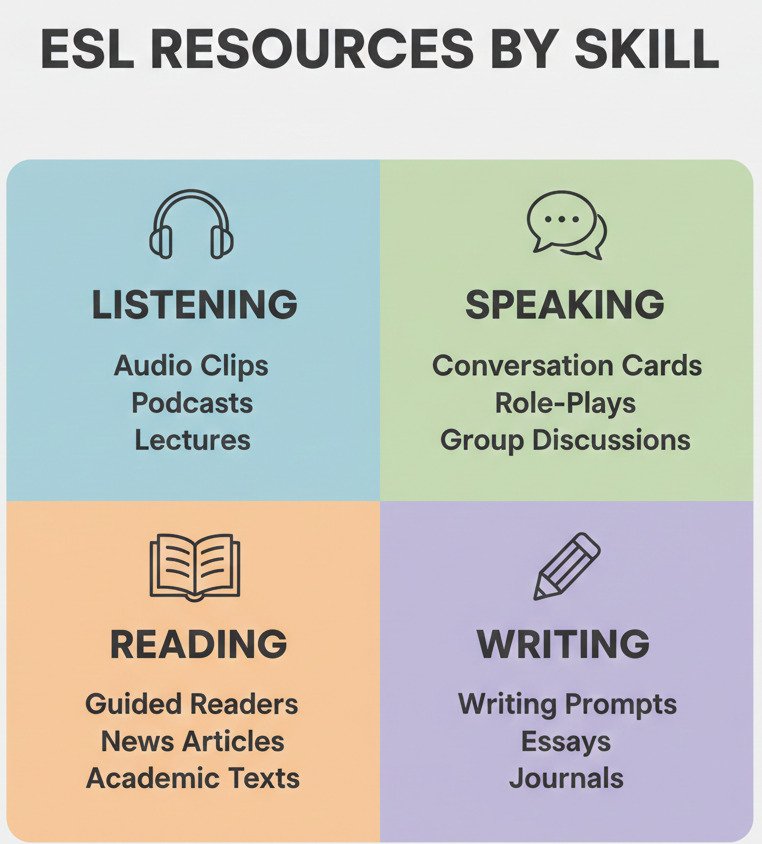
ESL (English as a Second Language) Resources
ESL resources work best when simple.
Students use them daily.
Repetition builds comfort.
Common ESL resources include:
Picture vocabulary cards
Short audio lessons
Guided reading sheets
Speaking prompts
English Classes for Students
English classes follow stages.
First listening.
Then speaking.
Writing comes later.
Teachers slow the pace.
Visual aids help convey meaning.
Mistakes stay normal.
Students feel safer.
They speak more.
Progress follows.
Education Department Language Initiatives
Language initiatives support fairness.
Every student gets access.
Support stays consistent.
These initiatives often include:
Teacher certification
Student progress tracking
Parent communication support
English Learner Support Programs That Work
Support programs succeed when pressure drops.
Small groups help.
Clear goals guide lessons.
Effective programs share three traits:
Routine practice
Feedback cycles
Cultural respect
Trust grows fast.
Learning follows.
How Can Students Improve English Daily?
Students improve English through daily use, not long study hours. Short reading, speaking aloud, and listening practice build steady growth. These habits increase vocabulary, sentence flow, and confidence within normal school routines without overload.
Daily habits that help:
Read one short page
Speak answers aloud
Write three sentences
Listen to slow English audio.
It’s like muscle training.
Small reps work best.
Teacher Support Makes the Difference
Teachers shape outcomes.
Tone matters.
Patience matters.
Helpful teacher actions include:
Clear instructions
Short sentences
Frequent understanding checks
How Parents Support English Learning
Parents don’t need strong English.
Consistency matters more.
Interest builds trust.
Simple home support:
Talk about school daily.
Read picture books
Watch English shows together.
Language grows this way naturally.
Technology Use for English Learners
Technology supports practice.
Short sessions work best.
Guidance prevents overload.
Helpful tools include:
Vocabulary apps
Pronunciation clips
Listening games
Tracking Student Progress
Tracking avoids guesswork.
Schools assess skills regularly.
Results guide lesson changes.
Focus areas include:
Word growth
Sentence clarity
Speaking comfort
Students see progress clearly.
Common Problems English Learners Face
Fear blocks speech.
Fast lessons confuse.
Silence follows.
Solutions include:
Extra speaking time
Slower pacing
Peer support
Confidence returns quickly.
School and Community Support Together
Community support extends learning.
Practice becomes real-world.
Language sticks better.
Support sources include:
Libraries
Community centers
Free ESL groups
Teacher Training for ESL Classes
Training shapes quality.
Teachers learn language stages.
Cultural awareness improves lessons.
Training usually covers:
Language development steps
Assessment methods
Classroom strategies
Consistency improves outcomes.
Measuring Long-Term Results
Strong programs show results.
Reading levels rise.
Graduation rates improve.
Building Confidence Through English
Confidence grows slowly.
Each word adds strength.
Mistakes stop feeling scary.
Praise effort.
Not speed.
Language needs time.
Practical Steps to Start Today
Take the First Step Now
Schools should review ESL support.
Students should set daily habits.
Parents should stay involved.
Write goals.
Track monthly progress.
Adjust when needed.
Final Thoughts
English learning becomes easier with structure.
Education department English learners succeed when schools, families, and programs align.
Clear steps matter.
Daily use matters.
Support changes outcomes.
Language opens doors.
Step by step, they stay open.

