Why Students Choose It
College feels costly.
Many students fear picking the wrong degree.
That’s why liberal arts education still matters in the USA.
It teaches thinking.
It teaches writing.
It teaches problem-solving.
A student learns more than one subject.
That helps in real jobs.
It also helps in daily life.
Some people think it has no value.
That’s not true anymore.
Companies now want flexible workers.
A student with strong communication skills stands out fast.
That’s where liberal arts education helps most.
What Does It Teach?
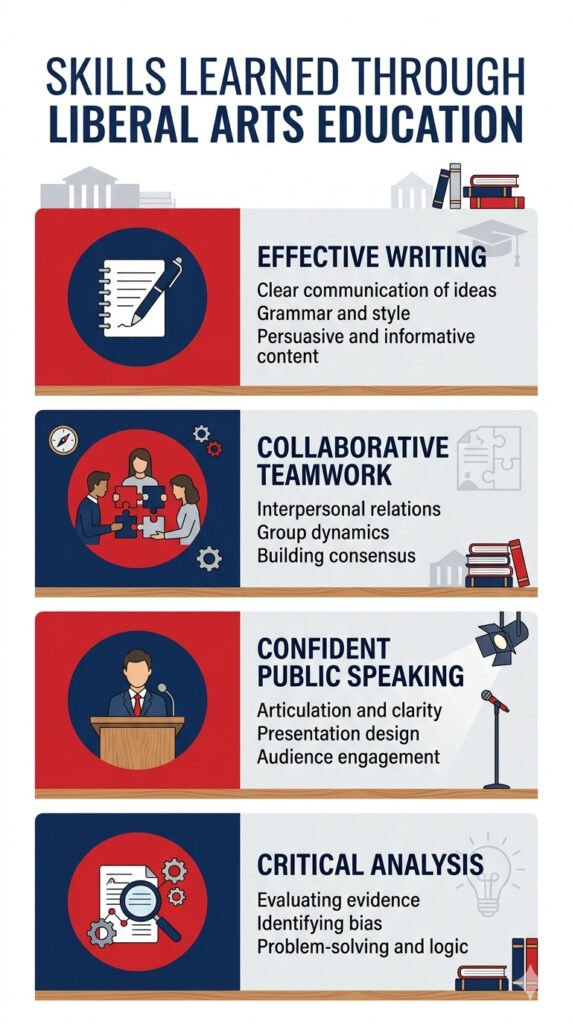
Liberal arts education teaches writing communication research teamwork and critical thinking. Students study subjects like history psychology literature politics and science. These subjects build flexible skills that fit many careers. Employers often prefer workers who can think clearly and solve problems under pressure.
Students don’t stay locked in one topic.
They study many fields.
That builds mental flexibility.
Think of it like a toolbox.
A mechanic needs many tools.
Students need many skills too.
Courses often include:
- Writing
- History
- Sociology
- Math
- Philosophy
- Political science
These subjects train the mind.
That training lasts years.
Why Employers Still Want It
Many companies want clear thinkers.
Technical skills alone aren’t enough now.
Managers need people who can:
- Speak clearly
- Write reports
- Solve problems
- Work with teams
- Learn fast
That’s why liberal education stays useful.
Tech companies hire these graduates too.
So do healthcare groups.
Marketing firms also hire them.
A business changes fast.
Workers must adapt quickly.
Liberal arts graduates often do well because they learn how to think not just memorize facts.
Popular Careers After Graduation
Many students ask this question.
What jobs can I get
The answer is simple.
There are many paths.
Common careers include:
- Teacher
- Writer
- HR manager
- Marketing specialist
- Social worker
- Journalist
- Public relations officer
Some graduates later study law.
Others move into business.
A liberal arts degree works like a wide road.
It opens more than one lane.
That helps students who feel unsure early in college.
Why Writing Skills Matter
Writing changes everything.
Bad writing hurts careers fast.
Strong writing builds trust.
It also helps in leadership roles.
Many college graduates struggle here.
Employers notice that quickly.
Liberal education spends heavy time on essays research and communication.
That practice matters later.
Think about emails at work.
Reports matter too.
A worker who explains ideas clearly often moves ahead faster.
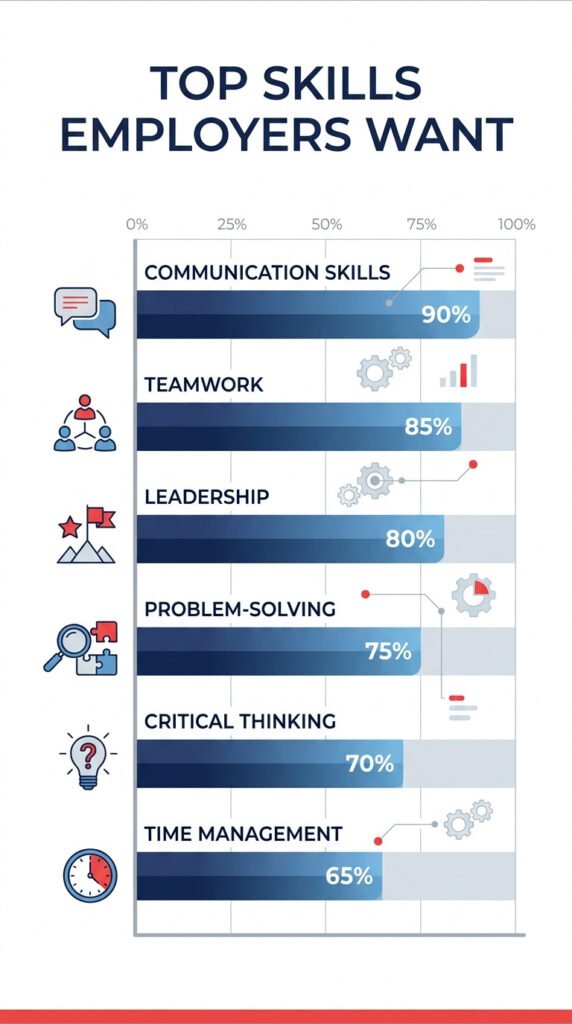
- Communication
- Teamwork
- Leadership
- Problem-solving
Use USA hiring reports.
Bar charts work best.
Critical Thinking Changes Careers
Facts are everywhere now.
Phones give answers instantly.
The real skill is judgment.
People must know what’s true.
Critical thinking helps students:
- Analyze claims
- Spot weak ideas
- Compare facts
- Make smart choices
This skill matters in every industry.
A company problem rarely has one answer.
Managers need workers who think calmly.
Liberal arts education trains students for that pressure.
Does It Help With High Salaries?
Some people say these degrees pay less.
That’s partly true at first.
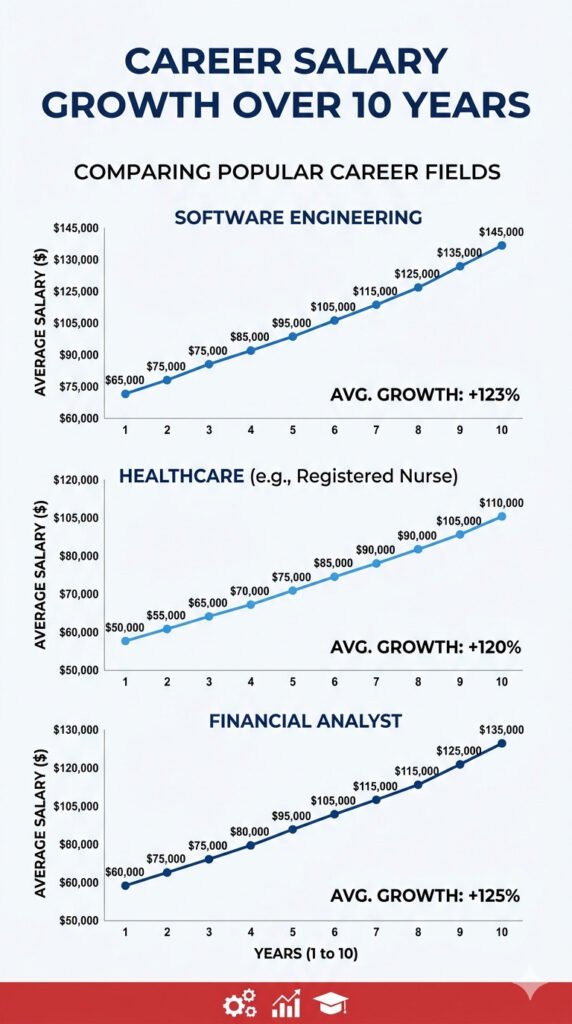
Early salaries may start lower than engineering jobs.
But long-term growth often improves.
Many liberal arts graduates later move into management.
Leadership needs communication.
It also needs decision-making.
Those skills grow over time.
According to labor studies in the USA, workers with strong communication and analytical skills often see steady career growth over many years.
Best Colleges In The USA
Several American colleges focus heavily on arts education.
Popular examples include:
- Williams College
- Amherst College
- Swarthmore College
- Pomona College
These schools focus on smaller classes.
Students often get direct teacher support.
Discussion-based learning is common there.
Online Learning Changed Everything
Online classes opened new doors.
Students can now study from home.
Many universities offer online liberal education programs today.
That helps:
- Working adults
- Parents
- Remote students
- Budget-focused learners
Flexible schedules matter now more than ever.
Students also save travel costs.
That reduces stress.
Common Myths About Liberal Arts Degrees
Some myths never die.
Let’s clear them up.
There Are No Jobs
That’s false.
Many industries hire these graduates.
The degree teaches transferable skills.
Those skills fit many workplaces.
It’s Too Broad
Broad knowledge helps today.
Jobs change quickly now.
Workers often switch careers multiple times.
Flexible skills help during those changes.
Only Rich Students Study It
That’s outdated thinking.
Public colleges offer affordable options too.
Scholarships also help many students.
How Students Can Succeed Faster
Students should mix classroom learning with real experience.
Good options include:
- Internships
- Campus clubs
- Writing projects
- Volunteer work
Experience builds confidence.
Networking matters too.
A strong connection can open career doors later.
Think of college like planting seeds.
The hard work grows slowly over time.
Best Double Majors
Some students combine liberal arts education with practical fields.
Popular pairings include:
- Psychology + Marketing
- English + Business
- Political Science + Law
- Sociology + Data Analysis
This mix helps students stand out.
Employers like workers with both technical and communication skills.
Why Students Stay Interested
Good content keeps readers on a page.
The same happens in classrooms.
Liberal arts courses often use:
- Debates
- Discussions
- Real stories
- Human behavior topics
That keeps learning active.
Students connect emotionally with ideas.
That improves memory too.
A boring lecture fades fast.
A strong story sticks forever.
Final Thoughts
College isn’t only about one job.
It’s about building lifelong skills.
Liberal arts education teaches communication reasoning adaptability and leadership.
Those skills still matter deeply in America today.
A career may change many times.
Strong thinking stays useful everywhere.
That’s why this degree still holds value.
